cGMP & ISO 22000 Certified OEM/ODM Exporter

Top Trusted Tablet OEM Factories & Exporters

White-Paper Strategic Guide to High-Precision Tablet Compression, Custom Nutraceutical Formulations, Oral Delivery Innovation, and Global Supply Chain Sourcing

Factory Direct Portfolio

Featured OEM / ODM Formulation Solutions

Turnkey dietary supplement, oral nutrition, and specialized care formulations engineered for high bioavailability, exceptional batch consistency, and global regulatory compliance.

Manufacturing Excellence

State-of-the-Art Tablet Compression & Facility Infrastructure

Combining over 20 years of nutraceutical engineering with ISO Class 8 cleanroom standards, automated weight control, and multi-layer tableting technology to meet rigorous global specifications.

cGMP Cleanroom Class 100,000

Our production halls operate under strict positive-pressure HVAC environmental control, maintaining temperature (<22°C) and relative humidity (<30% RH for effervescent tablets) to prevent batch cross-contamination.

Advanced Rotary Tableting Machinery

Equipped with high-speed multi-station rotary tablet presses utilizing B and D tooling configurations. Features automated main-compression pre-rollers, real-time tablet weight sampling, and bi-layer compression capabilities.

Precision Aqueous & Enteric Coating

Perforated pan coating systems providing protective moisture barriers, taste masking, smooth swallowability, and precise targeted gastro-resistant enteric release for sensitive active ingredients.

Full In-House QA / QC Testing

Every batch undergoes rigorous quality testing: USP <701> Disintegration testing, USP <711> Dissolution profiling, HPLC active ingredient quantification, and ICP-MS heavy metal trace detection.

20+
Years Manufacturing Mastery
500+
Validated Custom Formulations
45+
Global Destination Export Markets
10M+
Daily Tablet Compression Capacity

Technical Information Gain Note for Brand Buyers: Modern tablet manufacturing requires precise powder bed mechanics. Our engineering team calculates the Hausner Ratio and Carr's Compressibility Index for every formulation to prevent capping, lamination, and weight variation during high-speed compression runs exceeding 100,000 tablets per hour.

Dosage Technology Compression Method Disintegration Profile Ideal Application Categories Quality Benchmark Standard
Chewable Tablets Direct Compression / Granulation < 15 Minutes (Mastication-ready) Pediatric Vitamins, Minerals, Antacids USP <701> Compliant
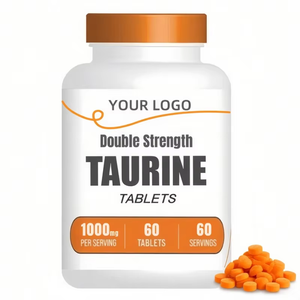
Film-Coated Tablets High-Pressure Rotary Press 15 - 30 Minutes (Standard Release) Multivitamins, Botanical Extracts, Taurine Friability < 0.5%
Effervescent Tablets Desiccated Dehumidified Air Press < 3 Minutes in Water Electrolytes, High-Dose Vitamin C, Energy Zero Humidity Creep
Bi-Layer Release Tablets Sequential Dual-Punch Press Layer 1: 5 Min / Layer 2: Extended Sleep Aids, Daytime/Nighttime Matrices Zero Inter-layer Delamination
Sublingual Micro-Tablets Micro-Tooling Direct Press < 60 Seconds Mucosal Passage Vitamin B12, Melatonin, NMN Concentrates Rapid Dissolution Assay
Forward Horizon

Tablet Manufacturing & Formulation Trends (2025–2030)

An in-depth white-paper analysis of emerging technology shifts driving consumer demand, clean-label binder adoption, and solid-dose innovations globally.

01

Clean-Label Excipient Transition

Global regulatory bodies and health-conscious consumers are pushing for the phase-out of traditional synthetic tableting aids like Magnesium Stearate, Titanium Dioxide, and Silicon Dioxide. Premier OEM factories are transitioning toward organic rice hull concentrates, tapioca dextrins, and acacia fiber to achieve non-sticky punch release without sacrificing structural integrity.

02

Modified & Dual-Action Controlled Release

Next-generation healthcare brands are abandoning single-phase dissolution. Bi-layer compression technology enables a fast-acting phase (e.g., immediate sublingual absorption) combined with a slow-release hydrophilic matrix core that delivers sustained plasma nutrient concentrations over 8 to 12 hours without causing stomach irritation.

03

High-Density Micro-Tableting (< 4mm)

Addressing pill fatigue and dysphagia across aging demographics, micro-tablets measuring 2mm to 4mm in diameter are replacing bulky 1000mg hard-swallow tablets. These micro-doses offer precise titration, can be filled into sachets, or dispensed through specialized dosing caps for effortless daily consumption.

04

Liposomal Solid-State Stabilization

Converting liquid liposomal nutrients into shelf-stable, compressible powders represents a major technological leap. Advanced micro-encapsulation techniques protect heat-sensitive actives—such as NMN, Glutathione, and CoQ10—ensuring they remain stable through tablet compaction pressure without rupturing lipid bilayers.

Procurement Blueprint

Strategic Procurement Trends for Global Importers & Brands

How modern supplement brand executives, purchasing managers, and pharmaceutical distributors are optimizing their supply chain risk management.

Direct Factory OEM Partnership

Leading buyers are bypassing trading intermediaries to work directly with audited tablet contract manufacturers. Direct collaboration cuts unit costs by 18-25% while opening transparent lines of communication with R&D formulation scientists.

Turnkey Regulatory Dossier Readiness

Navigating global regulatory bodies (US FDA, EU EFSA, ASEAN Health Authorities, Gulf Health Council) requires complete transparency. Certified exporters supply full Common Technical Dossiers (CTD), stability assay data, and certificate of free sale (CFS) for fast market entry.

Rigorous Supply Chain Traceability

With increasing regulatory scrutiny around adulteration, buyers demand full botanical DNA verification, heavy metal ICP-MS testing, pesticide screen reports, and batch-level Certificate of Analysis (COA) documentation from raw material receiving to finished product dispatch.

Agile Low-MOQ & Scalable Runs

To reduce inventory holding risk, modern procurement strategies favor manufacturers offering flexible minimum order quantities (e.g., starting at 50,000–100,000 tablets for initial validation batches) before expanding into multi-million unit commercial scale production.

Buyers Knowledge Base

Frequently Asked Questions (Procurement FAQ)

Answers to essential technical and commercial questions when evaluating tablet OEM contract factories and exporter credentials.

What are the standard Minimum Order Quantities (MOQs) for tablet OEM manufacturing?

Our baseline MOQ for custom tablet compression ranges from 100,000 to 300,000 tablets per formulation run depending on pill weight (e.g., 500mg vs. 1200mg) and specialty tooling needs. For standard existing formulations within our portfolio, we offer flexible pilot batches starting from 50,000 units to support initial launch phases.

How do you guarantee batch-to-batch tablet uniformity and prevent capping or chipping?

We utilize automatic weight-compensation rotary presses equipped with pre-compression rollers. Powders undergo rigorous compressibility testing, moisture analysis (<5% LOD), and granulation optimization before tableting. During production, automated sensors measure tablet thickness, hardness (kp), and friability (<0.5%) every 30 minutes.

Can custom shapes, logos, or break-lines (score lines) be embossed on the tablets?

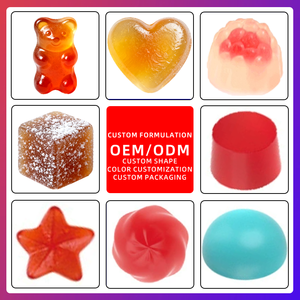
Yes. Our engineering shop designs custom steel punches and dies featuring logo debossing, unique geometric shapes (oval, oblong, triangle, heart, bear), and single/double score lines. Custom punches ensure immediate brand differentiation on every single unit produced.

What compliance documentation is provided for export and customs registration?

We supply a complete export documentation dossier, including Certificate of Analysis (COA) for active assay & microbiology, Certificate of Free Sale (CFS), cGMP Certificate, ISO 22000 / HACCP documentation, Halal Certificate, FDA Facility Registration details, and stability test reports following ICH guidelines.

What is the typical lead time from initial sampling to final shipment dispatch?

Lab sample formulation takes 7 to 10 business days. Upon formula sign-off and artwork approval, mass production and packaging typically take 25 to 35 calendar days. Accelerated production tracks are available for re-orders with pre-reserved raw material stocks.

What primary packaging configurations are available for private label tablets?

We offer full-spectrum packaging solutions: HDPE/PET bottles with induction seals and child-resistant caps, Alu-Alu / PVC-PVDC blister packs with printed foil backs, eco-friendly paperboard cartons, and individual sachet/pouch fills for single-serve retail presentation.

Partner with a Global Leader in Tablet Manufacturing

From initial R&D custom formulation to high-speed batch compression and international regulatory clearance—our team is ready to scale your product line with guaranteed precision.