Top Trusted Collagen Peptides Supplier & Exporters

Global Contract Manufacturing, Bioactive Hydrolyzed Collagen Solutions & Wholesale OEM/ODM Export Partner

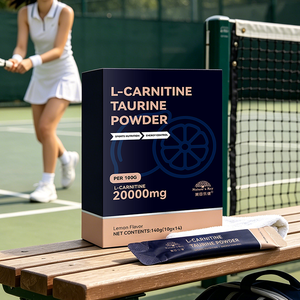
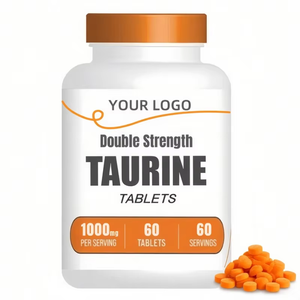
Flagship OEM Collagen & Supplement Formulations

Ready-to-market private label nutritionals and functional powders engineered in cGMP & ISO certified state-of-the-art facilities.

20+
Years Industry Leadership
500+
Custom Formulations
100%
cGMP & ISO Compliant
60+
Global Export Markets

Technical Whitepaper: Science, Molecular Architecture & B2B Procurement of Bioactive Collagen Peptides

Collagen hydrolysates have evolved from basic functional ingredients into highly specialized bioactive peptide vectors. As global health brands seek verified differentiation, understanding the structural biology, enzymatic hydrolysis technology, and bioanalytical parameters of collagen peptides is paramount to commercial success. This whitepaper provides brand managers, formulators, and supply chain executives with technical insight into sourcing top-tier collagen peptides.

Core Procurement Insight: Bioactivity is strictly dictated by molecular weight distribution (Dalton size) and peptide sequence integrity. True therapeutic hydrolysates feature >85% of peptides under 3,000 Daltons, ensuring direct absorption through the intestinal gut barrier.

1. Structural Biology and Biomolecular Mechanics

Native collagen is a rigid, triple-helical protein composed of three alpha-peptide chains bound tightly by hydrogen bonds. In its native state (gelatin or raw tissue), native collagen exhibits a massive molecular weight of approximately 300,000 Daltons (300 kDa). In this macro-form, bio-accessibility is minimal, as human endopeptidases cannot efficiently cleave the triple helix into absorbable units.

Through controlled, multi-stage enzymatic hydrolysis, native collagen undergoes site-specific cleavage of its peptide bonds. This process yields short-chain Bioactive Collagen Peptides (BCPs) with an average molecular weight ranging between 1,000 Da and 5,000 Da. These bio-peptides contain high concentrations of the unique amino acid tri-peptide motifs Glycine-Proline-Hydroxyproline (Gly-Pro-Hyp) and Glycine-Hydroxyproline-Alanine (Gly-Hyp-Ala).

Parameter Native Collagen / Gelatin Standard Hydrolyzed Collagen Bioactive Collagen Peptides (BCP)
Average Molecular Weight 100,000 – 300,000 Daltons 5,000 – 10,000 Daltons 1,000 – 3,000 Daltons (Customizable)
Gastrointestinal Absorption Rate Low (< 10%) Moderate (40% – 60%) Exceptional (> 90-95%)
Water Solubility (Cold 20°C) Gels; Insoluble Moderate; Slow Dissolution 100% Instant Soluble; Crystal Clear
Organoleptic Profile High Odor / Viscous Taste Slight Bovine/Fish Note Neutral Taste & Odorless
Primary Target Mechanism General Caloric Protein Basic Skin & Joint Support Fibroblast & Chondrocyte Signaling

2. Enzymatic Hydrolysis Engineering & Quality Control

The manufacturing architecture at premier B2B collagen processing facilities utilizes targeted endoproteases (e.g., Alcalase, Papain, Neutrase, and Pepsin) under precise temperature, pH, and ionic strength parameters. The enzymatic breakdown is halted via micro-heat denaturation once the target molecular weight spectrum (Dalton profile) is achieved.

To ensure batch-to-batch consistency for institutional exporters, High-Performance Liquid Chromatography (HPLC) coupled with Mass Spectrometry (LC-MS/MS) is deployed to map the molecular weight distribution curve. Top trusted suppliers enforce strict quality tolerances:

  • Heavy Metal Compliance: Lead (Pb) < 0.05 ppm, Arsenic (As) < 0.05 ppm, Cadmium (Cd) < 0.01 ppm, Mercury (Hg) < 0.005 ppm via Inductively Coupled Plasma Mass Spectrometry (ICP-MS).
  • Microbiological Purity: Total Viable Count < 1,000 CFU/g, Salmonella Negative/25g, E. coli Negative/10g.
  • Ash Content: Below 1.5% to ensure ultra-pure protein concentrations exceeding 92-96% on a dry weight basis.

Global Collagen Peptides Procurement Trends & Strategic Intelligence

The global collagen market is projected to surpass USD 14.5 Billion by 2030, driven by nutricosmetics, sports recovery, joint health, and healthy aging applications. Procurement managers and brand owners must adapt to changing market dynamics to maintain supply chain resilience and brand dominance.

Trend 1: The Surge in Marine & Sustainable Upcycled Sourcing

While bovine Type I & III collagen continues to hold significant market share due to cost-efficiency, deep-sea marine collagen (derived from wild-caught fish skins such as Cod, Tilapia, and Snapper) is experiencing rapid growth. Brand owners are prioritizing marine collagen due to its superior bio-absorption (up to 1.5x faster than mammalian collagen due to smaller molecular sizing) and alignment with Pescatarian, Kosher, and Halal lifestyle preferences. Furthermore, zero-waste upcycling of seafood processing by-products aligns with global ESG mandates.

Trend 2: Application-Specific Molecular Tailoring

Generic collagen hydrolysates are increasingly replaced by bio-targeted peptide fractions optimized for specific tissue receptors:

  • Dermal & Nutricosmetic Peptides (2,000 Da): Optimized to stimulate dermal fibroblast cells, boosting endogenous Type I collagen and elastin synthesis for skin elasticity and wrinkle reduction.
  • Articular Joint & Cartilage Peptides (3,000 Da): Rich in Type II specific amino acids designed to accumulate in cartilage tissues, stimulating chondrocytes to produce extracellular matrix components.
  • Bone Matrix Peptides (4,000 Da): Engineered to promote osteoblast activity while downregulating osteoclast bone resorption.

Trend 3: Cold-Soluble, High-Clarity Instant Powders for Ready-To-Drink (RTD) Formulations

Modern consumers demand seamless integration into cold beverages, functional waters, and ready-to-mix sachets. Traditional collagen hydrolysates often suffer from clumping, foam generation, and turbidity. Next-generation agglomeration and instantization technologies produce non-dusting, free-flowing collagen powders that dissolve within seconds in cold water without altering beverage pH, color, or flavor integrity.

Why Partner With Our Global OEM/ODM Infrastructure?

Backed by over two decades of contract manufacturing excellence, we provide turnkey solutions from raw material synthesis to global market compliance.

cGMP & Multi-National Compliance

Our production facilities operate under strict US FDA registration, ISO 22000, ISO 9001:2015, HACCP, Halal, and Kosher certifications, guaranteeing effortless international market access.

Custom Molecular Weight Engineering

We tailor the enzymatic hydrolysis profile to your exact specs (1,000 Da to 5,000 Da), matching your formulation's target health claims and physical delivery requirements.

End-to-End Contract Manufacturing

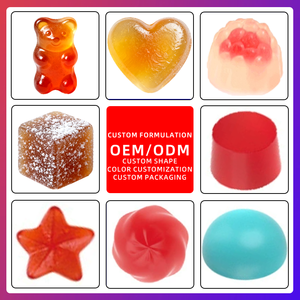
From custom powder blending, tableting, hard-capsule filling, and gummy production to custom sachet packaging and retail box design, we deliver market-ready SKUs.

Full Traceability & Batch Analytics

Every single bulk shipment is supplied with a comprehensive Certificate of Analysis (CoA), including HPLC peptide mapping, heavy metal screening, and micro-biology testing.

Rapid Prototyping & Sampling

Accelerate your product launch timeline with our express 7-day R&D sample turnaround, allowing rapid benchtop trials and organoleptic testing prior to commercial runs.

Global Freight & Regulatory Dossiers

We assist international brand owners with import clearance documentation, Certificate of Free Sale (CFS), Health Certificates, and dedicated cold-chain/dry bulk supply chain logistics.

Frequently Asked Questions: B2B Collagen Sourcing & Contract Manufacturing

Essential guidance for procurement officers, formulators, and supply chain managers evaluating collagen peptide suppliers.

What is the difference between Hydrolyzed Collagen and Bioactive Collagen Peptides (BCP)?
Hydrolyzed collagen is a general term for collagen that has undergone thermal or chemical degradation into smaller protein chains (typically 5,000–10,000 Daltons). Bioactive Collagen Peptides (BCP), by contrast, are produced through highly targeted enzymatic hydrolysis that isolates specific amino acid sequences (e.g., Gly-Pro-Hyp) within a tight molecular weight window (1,000–3,000 Daltons). BCPs act as biological signaling molecules that stimulate specific cellular receptors in human connective tissues, offering significantly higher physiological activity at lower clinical dosages.
How does raw material origin (Bovine vs. Marine) impact product performance and formulation stability?
Bovine collagen contains both Type I and Type III collagen, making it ideal for multi-benefit formulas supporting skin, joint, and intestinal health. Marine collagen consists predominantly of Type I collagen and features smaller natural peptide structures, rendering it favored for premium nutricosmetics and rapid dermal absorption. Both raw material streams can be processed to yield 100% water-soluble, neutral-tasting powders; however, marine collagen generallyCommands a higher market price point due to raw material procurement costs and Pescatarian consumer preference.
What parameters should be evaluated on a Collagen Certificate of Analysis (CoA)?
A rigorous B2B Collagen CoA must detail: 1) Protein Content (typically ≥ 90% by Kjeldahl method); 2) Molecular Weight Distribution (via HPLC SEC); 3) Loss on Drying (≤ 6.0%); 4) Heavy Metal Contaminants (Lead, Mercury, Cadmium, Arsenic via ICP-MS); 5) Microbiological Screening (Total Aerobic Microbial Count, Yeast & Mold, E. coli, Salmonella); 6) Organoleptic parameters (Clarity, Color, Odor, pH in solution).
Can Bioactive Collagen Peptides withstand thermal processing and acidic pH in functional food manufacturing?
Yes. Unlike native collagen or whole functional proteins (such as whey protein isolate), Bioactive Collagen Peptides are highly thermally stable due to their short peptide chain length. They do not undergo thermal coagulation or denaturation during UHT (Ultra-High Temperature) processing, pasteurization, or baking. Additionally, BCPs maintain complete solubility and molecular integrity in low pH acidic environments (pH 2.5 to 4.5), making them suitable for functional RTD beverages, shots, and gummies.
What are the Minimum Order Quantities (MOQ) for bulk powder export vs. custom private label manufacturing?
Our bulk ingredient export MOQ for standard bovine or marine collagen peptides starts at 500 kg supplied in lined fiber drums or multi-ply craft bags. For turn-key OEM private label products (such as finished retail canisters, stick sachets, custom gummy shapes, or functional tablets), the MOQ generally ranges between 3,000 to 5,000 retail units per SKU depending on packaging complexity and custom formulation requirements.
How do you ensure batch-to-batch organoleptic neutrality for unflavored collagen formulations?
We employ multi-stage activated carbon filtration, advanced vacuum deodorization, and micro-filtration techniques during final extraction. This removes volatile organic compounds (VOCs), residual lipids, and odor-bearing amines, yielding a neutral taste and crystal-clear solution profile that will not alter the flavor spectrum of unflavored or delicate botanical beverage matrixes.
What regulatory support and international export documentation do you provide for new product registration?
We provide complete regulatory dossiers to accelerate product registration across global health authorities. Our documentation package includes Certificate of Free Sale (CFS), Halal & Kosher Certificates, Health Certificates issued by accredited government authorities, Certificate of Origin (COO), GMP Audit Reports, Stability Study Data (accelerated and real-time), and complete quantitative ingredient breakdowns.

Ready to Scale Your Collagen & Supplement Line?

Connect directly with our senior R&D formulators and B2B contract manufacturing specialists. Receive tailored technical specs, bulk pricing quotes, and custom sample kits within 24 hours.