Global B2B White Paper & Strategic Sourcing Guide on Halal-Certified Dietary Supplements, OEM/ODM Custom Formulations & Regulatory Compliance
Featured Sourcing Catalog
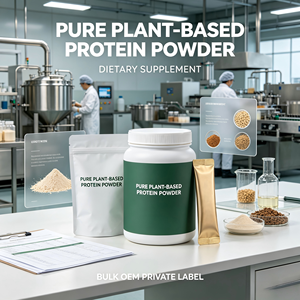
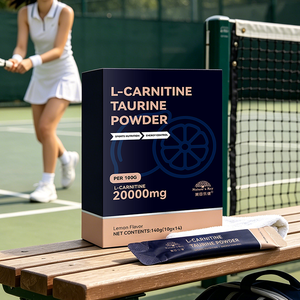
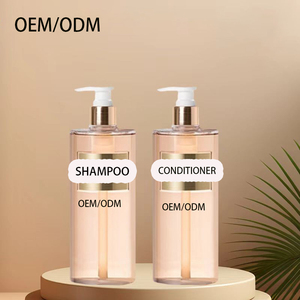
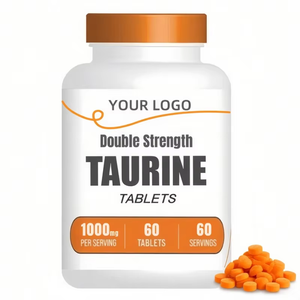
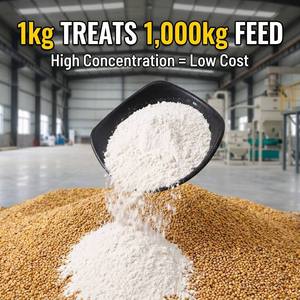
Halal-Certified Bulk & OEM Product Formulations
Explore our top-tier export-ready formulations manufactured under strict GMP and Halal compliance protocols. Fully customizable for international private labels.
Global Strategic White Paper: Sourcing Halal Supplements & Nutraceuticals from China
The global demand for Halal-certified dietary supplements, functional foods, and personal care products has reached unprecedented momentum, driven by a growing Muslim demographic worldwide (projected to reach 2.2 billion by 2030) and an increasing consumer preference for clean-label, ethically sourced products. As brand owners, pharmaceutical distributors, and retail chain buyers evaluate international supply chains, China has emerged as the global epicenter for nutraceutical raw material synthesis, contract manufacturing, and specialized OEM packaging solutions.
However, navigating the complex intersection of Halal religious integrity (Shariah compliance), cGMP (current Good Manufacturing Practice), and international regulatory frameworks requires rigorous oversight. This white paper serves as an authoritative procurement blueprint for sourcing high-efficacy, certified Halal supplements from top Chinese contract manufacturers.
1. The Regulatory Architecture of Halal Certification in Chinese Manufacturing
Halal compliance in nutraceutical manufacturing extends far beyond the simple exclusion of porcine gelatin and alcohol derivatives. It mandates a holistic operational protocol that governs raw material synthesis, solvent selection, line cleaning validation, cross-contamination prevention, and logistics handling. Leading OEM manufacturers in China maintain direct accreditation and mutual recognition alignments with premier global Halal certification authorities, including:
JAKIM Accreditation
Conformity with Malaysia’s MS 1500:2019 standards, ensuring strict acceptability across ASEAN and Commonwealth markets.
MUI HAS 23000
Rigorous Halal Assurance System compliance recognized in Indonesia and international Islamic trade networks.
GSO 2055-1 Standards
Full alignment with Gulf Cooperation Council (GCC) technical regulations for Middle East import customs clearance.
Information Gain Highlight: When auditing a Chinese contract manufacturer, verify if their Halal certificate explicitly lists individual raw material CAS numbers, botanical extract solvents (water or ethanol limits below 0.5%), and plant capsule shell formulations. Top-tier manufacturers like ProTech Health Sciences utilize fully traceable non-animal HPMC (Hydroxypropyl Methylcellulose) and bio-fermented active compounds.
2. Technical Encapsulation & Delivery System Breakthroughs
A critical technical challenge in Halal supplement manufacturing historically revolved around softgel and hard capsule delivery systems. Traditional softgels rely heavily on porcine gelatin due to its elasticity and thermoreversibility. Modern Chinese OEM centers have pioneered revolutionary alternatives:
Plant-Based Tapioca Starch Softgels: Utilizing modified tapioca starch combined with carrageenan to create 100% animal-free, thermal-stable softgels capable of holding lipophilic formulations, omega fatty acids, and CoQ10 without leaking or cross-linking.
HPMC Hard Shell Capsules: Sourced from plant cellulose, carrying USP/EP pharmaceutical grade validation, free of preservatives, and certified Halal/Kosher/Vegan for immediate global release.
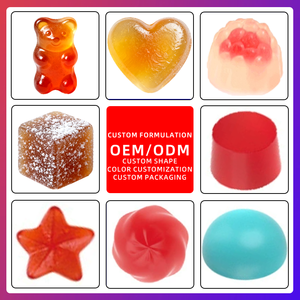
Pectin Gummy Matrix Technology: Replacing traditional bovine gelatin with high-methoxyl citrus pectin. This enables heat-resistant gummy production (up to 45°C ambient stability) with precise micro-encapsulation of sensitive water-soluble vitamins.
To assist procurement managers and quality assurance teams during vendor evaluation, the following matrix outlines critical raw material parameters, testing protocols, and Halal risk mitigation measures enforced by top Chinese exporters.
4. Quality Control & Line Clearance Engineering in Dual-Line Facilities
For high-volume export factories operating multiple product lines, eliminating cross-contamination is non-negotiable. Leading OEM contract manufacturers establish dedicated, isolated Halal production suites equipped with ISO Class 7 cleanroom HVAC ventilation systems, positive pressure zones, and automated Clean-in-Place (CIP) systems.
Before batch execution, production equipment undergoes rigorous swab testing validated via Porcine Real-Time PCR (Polymerase Chain Reaction) DNA Detection Assays. This guarantees zero porcine DNA contamination down to a sensitivity threshold of 0.0001%, giving international brand owners 100% regulatory confidence upon customs inspection in countries like Malaysia, Saudi Arabia, UAE, and Indonesia.
Market Intelligence
Future Procurement & Industry Development Trends
Anticipating macro shifts in global Halal nutraceutical supply chains to keep your brand ahead of regulatory and consumer expectations.
1. Acceleration of Precision Bio-Fermentation
The industry is shifting rapidly away from chemical synthesis and animal extraction toward microbial precision bio-fermentation. Active ingredients such as Hyaluronic Acid, Collagen-Mimetic Peptides, and Ergothioneine are now bio-engineered using non-GMO yeast and bacteria strains, providing 100% naturally Halal, ultra-pure raw materials with stable bulk pricing.
Sourcing botanical active ingredients often presents challenges with bitterness and instability. Advanced spray-drying microencapsulation using Halal plant lipids and lecithin covers unpleasant tastes while boosting intestinal bioavailability by up to 300%. This opens new product formats in direct-to-mouth sachets and functional beverage mixes.
3. Digital Supply Chain Blockchain Traceability
Global buyers are increasingly demanding QR-code-enabled blockchain tracking on final consumer packaging. This allows end consumers to scan product bottles and immediately review batch-specific Certificate of Analysis (COA), Halal origin verification, and third-party laboratory safety reports, dramatically increasing consumer trust and brand retention.
4. Multi-Functional Synergy & Hybrid Formulations
Single-ingredient supplements are losing market share to multi-targeted synergistic formulations. B2B procurement is gravitating toward complex matrices combining adaptogens, nootropics, bio-fermented vitamins, and trace minerals into single daily chewable tablets, sachets, or softgel systems.
Why Partner With Us
ProTech Health Sciences Enterprise Capabilities
Empowering global wellness brands with world-class Chinese manufacturing scale, rigorous scientific R&D, and complete regulatory compliance.
Full Multi-Certification Portfolio
Certified under cGMP, ISO 22000, ISO 9001:2015, HACCP, Halal, and FDA Facility Registration. Seamless customs acceptance across 40+ countries.
Custom Formulation Engineering
In-house team of 30+ food scientists and PhD nutritionists capable of designing proprietary, bio-available formulas tailored to target demographic health trends.
Agile Production & Express Lead Times
Sample turnaround within 7 working days; full-scale commercial manufacturing batch production completed within 20–30 calendar days.
Procurement Knowledge Base
Frequently Asked Questions for Sourcing Managers
Detailed technical answers to common queries regarding contract manufacturing, MOQ, regulatory support, and quality assurance.
Q1: How do you verify that raw material suppliers maintain strict Halal compliance?
Our vendor qualification program mandates that every raw material supplier submit authentic Halal certification issued by recognized bodies (such as JAKIM, MUI, IFANCA, or GSO-accredited authorities). Furthermore, our QA team conducts annual on-site audits of synthesis facilities and subjects incoming raw material lots to Fourier-Transform Infrared (FTIR) spectroscopy and PCR DNA testing to rule out cross-contamination before material release into production.
Q2: What dosage forms are available for Halal dietary supplement OEM?
We manufacture a complete range of Halal-compliant dosage formats: Two-piece HPMC hard capsules, plant-based tapioca starch softgels, citrus pectin gummies (bear, heart, star, and dome shapes), powder blends in bulk tubs or single-serve aluminum sachets, direct compression tablets (coated or uncoated), and liquid tonics in glass or PET bottles.
Q3: What are the typical Minimum Order Quantities (MOQs) for custom private label orders?
Standard MOQs depend on the delivery format: Hard Capsules & Tablets: 100,000 units (approx. 1,000–3,000 bottles); Powder Sachets: 30,000 sachets; Pectin Gummies: 500 kg per batch (approx. 2,000–3,000 bottles); Liquid Tonics: 5,000 bottles. Flexible trial run MOQs are available for innovative custom formulations upon initial consultation.
Q4: Can ProTech assist with international product registration and customs dossier preparation?
Yes. Our dedicated Regulatory Affairs division prepares comprehensive export documentation, including Certificate of Free Sale (CFS), Certificate of Analysis (COA), Batch Production Records, Halal Certificates, ISO/GMP Audit Certificates, and stability test data adhering to ICH Q1A(R2) guidelines for registration with health authorities across the Middle East, Southeast Asia, Europe, and the Americas.
Q5: How do you handle custom flavoring and sweetener systems in Halal powder formulations?
We formulate exclusively with alcohol-free, Halal-certified natural and nature-identical flavoring systems (e.g., spray-dried fruit powders, citrus oils). For sweetening, we offer clean-label natural options such as Stevia (Rebaudioside A/M), Monk Fruit extract (Mogroside V), and Erythritol, completely avoiding artificial synthetic dyes or alcohol-extracted flavors.
Q6: What is the step-by-step process for developing a custom contract formulation?
The OEM process includes six streamlined milestones: 1. Strategic Briefing & Product Concept Definition; 2. R&D Formulation Engineering & Lab Bench Sample Creation (5–7 days); 3. Analytical Testing & Client Approval; 4. Packaging Design & Regulatory Approval Dossier; 5. Commercial GMP Batch Production (20 days); 6. Final Quality Release, COA Issuance, & Global Shipping.
Q7: Are your hair and skin personal care formulations also Halal certified?
Absolutely. Our personal care and cosmeceutical product lines (shampoos, hair conditioners, serums, creams) adhere strictly to Halal cosmetics standards. They contain zero lard, animal collagen, ethanol, or prohibited animal fats, using botanical oils, bio-fermented active compounds, and natural herbal complexes instead.
Q8: What heavy metal and microbiological limits are enforced on final finished goods?
Every finished production lot undergoes rigorous laboratory testing prior to release: Total Aerobic Microbial Count (TAMC) < 1,000 CFU/g; Total Yeasts & Moulds (TYMC) < 100 CFU/g; E. coli, Salmonella, and Staphylococcus aureus completely Absent/10g. Heavy metals: Lead < 0.5 ppm, Arsenic < 0.5 ppm, Cadmium < 0.1 ppm, Mercury < 0.1 ppm, fully conforming to strict EU, US FDA, and Gulf standards.
Ready to Launch Your Premium Halal Supplement Line?
Partner with China’s premier GMP & Halal certified contract manufacturer. Request immediate pricing, custom formulation support, or sample kits today.