

China's Bulk Supplement Manufacturing Ecosystem: A Strategic Procurement White Paper
The global dietary supplement market is undergoing a structural transformation toward science-backed, high-efficacy, and transparently sourced nutritional products. As the world's primary manufacturing hub for active pharmaceutical ingredients (APIs), botanical extracts, and nutraceutical raw materials, China accounts for over 70% of global bulk supplement ingredient outputs. Navigating this vast industrial ecosystem requires deep technical insights into manufacturing standards, synthetic biology advancements, and quality assurance frameworks.
For brand owners, contract distributors, and procurement managers, securing a reliable OEM/ODM partner in China goes beyond standard unit cost negotiation. It encompasses evaluating batch-to-batch chemical reproducibility, particle size optimization (e.g., 200 mesh micronization for instantized solubility), and regulatory harmonization across diverse geographic borders.
1. Future Procurement Trends in Bulk Supplements (2025–2030)
Modern B2B supplement procurement is rapidly shifting from commodity ingredient purchasing to strategic co-development. Key macro-trends shaping global contract manufacturing include:
- Bio-Fermentation & Precision Synthetic Biology: Traditional botanical extraction faces yield volatility due to climate fluctuation and pesticide exposure. Precision microbial fermentation now enables zero-pesticide, bio-identical synthesis of high-value active molecules like Astragaloside IV, CoQ10, and Resveratrol.
- Liposomal & Micro-Encapsulation Technology: Bioavailability enhancement is the single largest differentiator in consumer-facing nutrition. Bulk ingredients engineered with phospholipid bilayer encapsulation resist gastric acid breakdown, delivering up to 8x systemic absorption compared to raw crystalline powders.
- Clean-Label & Plant-Based Matrix Shift: Traditional synthetic binders, magnesium stearate, and animal gelatin are being replaced by native rice starch, acacia gum, and pectin matrices to fulfill vegan, non-GMO, and kosher/halal consumer mandates.
- Digital Supply Chain Transparency & Blockchain Batch Tracking: Enterprise buyers demand real-time access to raw material origin, heavy metal analytical testing (ICP-MS), and environmental compliance metrics embedded into every bulk shipping container.
2. Technical Specification & Formulation Benchmarking
Selecting the optimal product delivery format directly impacts active compound stability, shelf-life, consumer compliance, and freight economics. Below is an engineering comparison matrix for bulk manufacturing formats:
| Dosage / Delivery Format | Primary Technical Advantages | Active Ingredient Load Capacity | Shelf-Life & Stability | Optimal Product Applications |
|---|---|---|---|---|
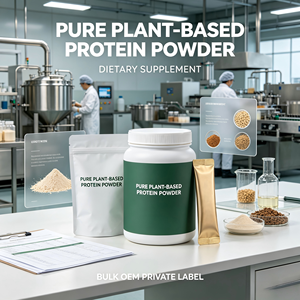
| Micronized Powders (Mesh 80-200) | Rapid dissolution, cost-effective shipping, flexible dosing | Up to 100% Active Active Weight | 24–36 Months (Low Moisture) | Plant Proteins, Creatine, Pre-Workouts, Amino Acids |
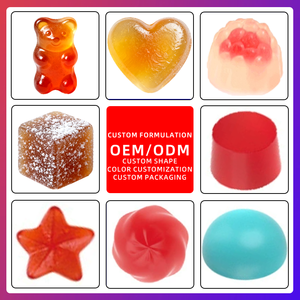
| Pectin-Based Functional Gummies | High consumer compliance, heat-stable pectin matrix | 15% - 25% Active Fill Volume | 18–24 Months (Controlled Humidity) | Multivitamins, Beauty-from-Within, Children & Senior Health |
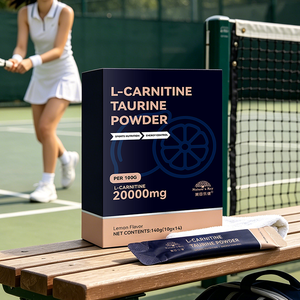
| High-Compressibility Tablets | Precise dosage uniformity, modified release options | Up to 1200mg per Tablet | 36 Months (Blister Foil Packed) | Taurine, Minerals, High-Dose Herbal Extracts |
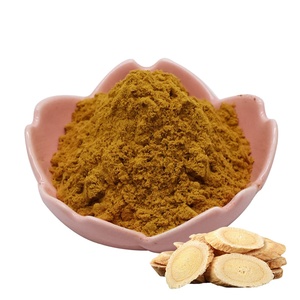
| HPMC Vegan Hard Capsules | Protection against oxygen & moisture, vegetarian compliant | 300mg - 800mg per Capsule | 36 Months (Desiccant Sealed) | Astragaloside IV, NMN, Probiotics, Sensitive Botanicals |
| Specialty Liquid & Emulsion Kits | Immediate systemic absorption, premium salon/clinical application | Variable Hydro/Lipophilic Solutions | 12–24 Months (Airless Packaging) | Personal Care, Salon Shampoos, Liquid Collagen Shots |
3. Quality Control Protocols & Testing Standards
ProTech Health Sciences implements a comprehensive 5-Tier Quality Control Framework across all bulk OEM production lines:
- Raw Material Authentication: Identification testing via High-Performance Liquid Chromatography (HPLC), Thin-Layer Chromatography (TLC), and Fourier-Transform Infrared Spectroscopy (FTIR).
- Contaminant Screening: Inductively Coupled Plasma Mass Spectrometry (ICP-MS) screening for Lead (Pb), Arsenic (As), Cadmium (Cd), and Mercury (Hg) strictly below USP/EP limits.
- Microbiological Assay: Automated screening for Total Aerobic Microbial Count (TAMC), Yeast & Mold, E. coli, Salmonella, and Staphylococcus aureus.
- Physical Property Benchmarking: Particle size distribution (Laser Diffraction), bulk density, tap density, friability, disintegration time, and dissolution kinetics.
- Real-Time & Accelerated Stability Studies: Storage under ICH conditions (25°C/60% RH and 40°C/75% RH) for up to 36 months to guarantee label potency claiming expiry.