Discover technical formulation guides, regulatory advice, and expert analyses on health supplements, skincare, and global market innovation.
Choosing the right OEM supplement manufacturer in China requires more than comparing prices or factory photos. Global buyers need dependable production, clear documentation, and evidence of consistent quality. This guide explores China’s top 10 OEM supplement manufacturers through practical criteria, including formulation expertise, ingredient traceability, batch testing, packaging capability, and export support.
A reliable supplier should provide current certificates, product specifications, Certificates of Analysis, and transparent quality-control procedures. Buyers may also review production lines, sample batches, stability data, and labeling workflows. Details matter. A sealed sample, a readable lot number, and a complete test report can reveal more than a polished sales presentation. Manufacturing experience should be matched with knowledge of applicable food-supplement regulations in the target market.
The companies featured here are assessed for their potential value to international brands, distributors, and private-label businesses. However, no ranking can replace direct due diligence. Factory capacity may change, certifications may expire, and sample quality may not represent every future batch. That limitation deserves attention. Responsible buyers should confirm recent audit records, minimum order quantities, lead times, and recall procedures before signing an agreement. They should also verify every health claim with qualified regulatory professionals. With careful comparison, this list can help buyers identify a suitable partner for safe, compliant, and commercially practical supplement production.
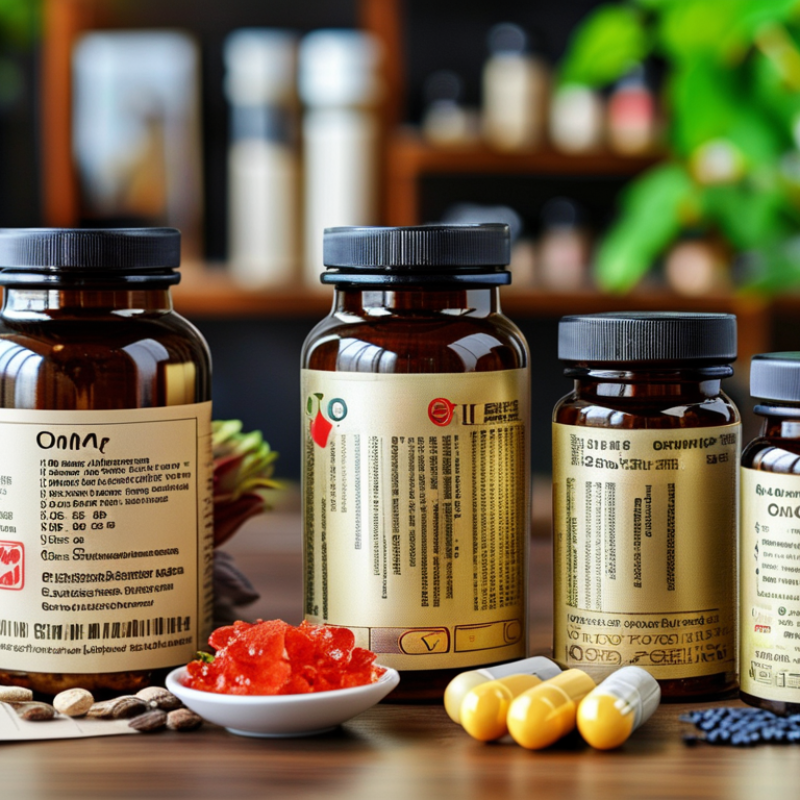
China Top 10 OEM Supplement Manufacturers for Global Buyers
What OEM Supplement Manufacturing Means for Global Buyers
OEM supplement manufacturing means more than placing a logo on a bottle. A capable manufacturer can support formula development, ingredient sourcing, production, packaging, and quality documentation. Global buyers should confirm whether the supplier manages these steps internally or through qualified partners. Each option affects cost, timing, and accountability.
A practical evaluation begins with production records, testing procedures, facility qualifications, and sample consistency. Ask for certificates, batch records, contaminant testing, and clear storage conditions. Packaging details matter too. A loose seal, unclear label, or unsuitable desiccant can damage a shipment before it reaches customers. Regulatory requirements also differ between markets, so claims and ingredient limits need professional review. A factory may produce excellent goods, but still lack experience with your destination market.
Tips: Request a small pilot order before committing to large volumes. Compare the approved sample with the final batch. Confirm minimum order quantities, lead times, payment stages, and corrective-action procedures in writing. A low quotation can appear attractive. It may hide weaker testing or unstable supply planning. One lesson deserves reflection: factory tours can impress, but daily quality records reveal more. Buyers should also question their own brief. Vague targets often create delays, reformulation costs, and packaging waste. Clear specifications make cooperation more reliable, even when unexpected problems appear.
OEM supplement manufacturing enables global buyers to outsource formulation, ingredient sourcing, testing, production, packaging, and export preparation to a qualified manufacturing partner. The chart shows typical planning ranges for each stage of a supplement OEM project. Actual timing varies according to formula complexity, dosage form, testing requirements, packaging specifications, and destination-country regulations.
Evaluating China’s leading OEM supplement manufacturers requires more than comparing factory photos or quoted prices. Experienced buyers review production licenses, quality systems, and export records. They should request recent third-party test reports for identity, purity, microbes, heavy metals, and allergens. Documents must match the actual facility and product batch.
A factory visit can reveal practical details. Check cleanroom zoning, weighing controls, water treatment, and storage temperatures. Ask how raw materials are approved and traced from supplier to finished carton. Reliable manufacturers explain deviation handling, corrective actions, and batch release procedures clearly. Vague answers deserve caution. So do certificates with no verification path.
Product development also matters. Technical teams should provide stable formulas, accurate specifications, and realistic shelf-life data. Packaging must protect the product during shipping and storage. Confirm minimum order quantities, lead times, sample policy, and change-control procedures in writing. A small pilot order can test communication and consistency before scaling. No audit is perfect. A polished facility may still perform poorly under pressure, while a modest site may show stronger discipline. I would reassess every supplier after the first commercial batch, not rely on a successful sample alone. Claims and labels should receive qualified regulatory review for each destination market.
Global buyers comparing China’s top 10 OEM supplement manufacturers should examine development depth, not only factory size. Grand View Research valued the global dietary supplements market at USD 177.5 billion in 2023. It also projects a 9.1% annual growth rate from 2024 to 2030. This growth increases pressure on manufacturers to deliver stable, differentiated formulas.
Strong OEM partners begin with a clear product brief, target dosage, texture, flavor, and intended market. Their technical teams should screen raw materials, calculate nutrient limits, and prepare small bench samples. Pilot batches reveal practical problems, such as poor powder flow or capsule separation. Those details matter. A good formulation is not automatically production-ready.
Customization should include tablet shape, sachet size, botanical ratios, sweetener systems, and packaging compatibility. Stability testing should cover heat, humidity, appearance, potency, and microbial quality. The 2024 McKinsey report on consumer health highlights rising demand for personalized nutrition and credible product benefits. Manufacturers therefore need documented testing, traceable sourcing, and transparent certificates of analysis. Independent verification adds confidence, especially for cross-border buyers.
No formula is perfect.
Buyers should review GMP systems, batch records, change-control procedures, and complaint handling before signing. Third-party testing for identity, heavy metals, pesticides, and microorganisms can reduce avoidable risk. Some suppliers promise rapid customization but provide weak technical evidence. That deserves reflection. Speed helps, but repeatable quality protects the product after launch.
For global buyers comparing China’s top 10 OEM supplement manufacturers, quality control should begin before production. Experienced factories verify raw materials through supplier audits, identity testing, and documented specifications. Each batch should have a traceable lot number, controlled processing records, and a certificate of analysis. These details matter when a shipment crosses several borders.
Reliable manufacturers commonly operate under GMP systems and may hold ISO 22000 or HACCP certifications. However, a certificate alone proves little. Buyers should check its scope, issuing body, expiry date, and covered facility. Testing should address microbiological risks, heavy metals, allergens, pesticides, and product stability. Samples should match the final commercial batch, not only a carefully prepared presentation sample.
Regulatory compliance requires more than passing laboratory tests. Labels, ingredient limits, claims, packaging, and storage instructions must fit the destination market. A capable OEM team reviews these details with qualified regulatory specialists. It also keeps change-control records for formulas, suppliers, and manufacturing sites. No factory is flawless. Even strong systems can fail through rushed approvals or incomplete communication. Buyers should request audit evidence, investigate deviations, and confirm corrective actions. A useful partnership includes honest answers, not perfect-sounding promises. Regular inspections and retained samples provide practical reassurance long after production ends.
Anonymized buyer-comparison dataset based on commonly required supplement manufacturing, quality, testing, and regulatory practices. Certification claims should be verified directly with each supplier.
| Rank | Anonymous OEM Profile | Typical Manufacturing Scope | Quality-System Basis | Certification and Audit Evidence | Quality-Control Activities | Laboratory Testing | Traceability and Documentation | Regulatory Support | Buyer Verification Priority |
|---|---|---|---|---|---|---|---|---|---|
| 1 | Confidential OEM Profile 01 | Capsules, tablets, powders, gummies, and sachets | GMP-based production; HACCP or risk-based food-safety controls expected | Request current GMP certificate, audit report, scope, and expiry date | Incoming-material inspection, in-process checks, metal detection, finished-product release | Identity, assay, microbiology, heavy metals, pesticides, and stability testing as applicable | Batch records, lot coding, retain samples, certificates of analysis, and deviation records | Label review, ingredient-document support, export dossiers, and market-specific specifications | Verify certification scope and recent third-party audit results |
| 2 | Confidential OEM Profile 02 | Softgels, hard capsules, tablets, and liquid supplements | Documented GMP procedures with allergen, sanitation, and pest-control programs | Confirm GMP, ISO 22000, FSSC 22000, or equivalent food-safety certification where applicable | Supplier approval, weighing verification, line clearance, seal checks, and packaging inspection | Potency, oxidation, microbial limits, contaminants, and physical characteristics | Electronic or controlled paper records with raw-material-to-finished-batch traceability | Support for U.S., European, Canadian, Australian, and Southeast Asian documentation requirements | Review product-specific testing plans and export experience |
| 3 | Confidential OEM Profile 03 | Botanical capsules, herbal powders, extracts, and tea-based products | GMP controls supported by botanical raw-material qualification and identity procedures | Verify GMP certificate, botanical-control program, and any organic certification used for the product | Macroscopic and microscopic identity checks, supplier qualification, moisture control, and contamination prevention | Botanical identity, marker compounds, pesticides, aflatoxins, heavy metals, and microbiology | Country-of-origin records, extraction specifications, lot traceability, and reference samples | Botanical nomenclature, claims review, allergen statements, and market-specific ingredient documentation | Confirm botanical authentication and contaminant-control methods |
| 4 | Confidential OEM Profile 04 | Sports nutrition powders, electrolyte blends, bars, and ready-to-mix products | GMP and HACCP-based controls with enhanced allergen and cross-contact management | Request food-safety certificate, allergen program, audit history, and corrective-action records | Blend uniformity, fill-weight checks, water-quality monitoring, packaging integrity, and sanitation verification | Protein or active assay, amino-acid profile where relevant, microbiology, allergens, and prohibited-substance screening | Formula version control, batch genealogy, sports-testing records, and controlled release documentation | Sports-claim review, allergen declarations, nutrition panels, and market-specific label compliance | Check prohibited-substance testing and allergen controls |
| 5 | Confidential OEM Profile 05 | Gummies, chewables, functional candies, and pectin-based supplements | GMP controls with process validation for cooking, depositing, drying, and water-activity control | Verify GMP scope, process-validation records, and food-contact packaging compliance | Weight variation, texture, water activity, pH, color, coating, and seal verification | Active assay, microbiology, moisture, water activity, allergens, and preservative testing as applicable | Controlled recipes, critical-process parameters, packaging-lot records, and shelf-life data | Ingredient and additive review, nutrition labeling, claims screening, and stability documentation | Review water-activity data and real-time or accelerated stability evidence |
| 6 | Confidential OEM Profile 06 | Liquid shots, syrups, oral sprays, and emulsified supplements | GMP and HACCP controls with liquid-process sanitation and environmental-monitoring procedures | Request GMP evidence, sanitation validation, water-system records, and current audit findings | pH, viscosity, fill volume, homogeneity, microbial controls, and container-closure inspection | Active assay, microbial limits, preservative effectiveness, heavy metals, and stability testing | Water-batch records, cleaning logs, container-lot linkage, and controlled batch-release procedures | Shelf-life justification, packaging compatibility, dosage instructions, and import documentation support | Prioritize microbial-control and packaging-compatibility verification |
| 7 | Confidential OEM Profile 07 | Private-label capsules, tablets, powders, and standard stock formulas | Standardized GMP procedures with documented sanitation, training, and batch-release controls | Confirm current GMP certificate, permitted product categories, and quality-audit frequency | Weight checks, appearance checks, label reconciliation, packaging inspection, and finished-product review | Routine identity, potency, microbiology, heavy metals, and specification testing | Standard certificates of analysis, lot numbers, production dates, and retained samples | Basic label formatting, specification sheets, certificates, and export paperwork | Confirm whether formulas are exclusive, standardized, or customized |
| 8 | Confidential OEM Profile 08 | Specialty nutrition, probiotics, enzyme products, and heat-sensitive ingredients | GMP controls with temperature, humidity, viability, and cold-chain management where required | Verify GMP scope, environmental-monitoring program, storage controls, and validation protocols | Temperature and humidity monitoring, blend uniformity, viability controls, and packaging-barrier checks | Potency, strain or enzyme identity, viability through shelf life, microbiology, and contaminants | Cold-chain logs, culture or enzyme-lot records, stability data, and validated storage conditions | Viability claims, storage statements, stability justification, and region-specific ingredient review | Demand stability data under the intended shipping and storage conditions |
| 9 | Confidential OEM Profile 09 | Organic, vegetarian, vegan, allergen-controlled, and clean-label supplements | GMP and preventive-controls system with segregation and claim-substantiation procedures | Confirm organic or vegan certification, certificate scope, segregation controls, and audit status | Allergen changeover verification, sanitation checks, identity testing, and packaging-claim review | Allergen, GMO-related documentation where requested, microbiology, identity, potency, and contaminants | Supplier certificates, segregation records, cleaning validation, and claim-support documentation | Organic, vegan, non-GMO, allergen, and clean-label claim review by destination market | Match every marketing claim with valid supporting evidence |
| 10 | Confidential OEM Profile 10 | Custom R&D, pilot batches, capsules, powders, tablets, and functional blends | GMP-based quality system with development controls, scale-up procedures, and change management | Request GMP evidence, quality agreement template, process-validation plan, and change-control procedure | Pilot-to-commercial comparability, critical-process-parameter monitoring, release testing, and deviation review | Method selection, assay validation or verification, contaminants, microbiology, and accelerated stability | Master manufacturing records, formula revision history, specifications, technical-transfer files, and batch genealogy | Regulatory gap assessment, ingredient review, claims evaluation, technical files, and registration support | Assess R&D ownership, method validation, scale-up capability, and quality agreement terms |
International buyers often compare the top ten OEM supplement manufacturers by quoted price alone. That is a risky shortcut. A low unit price may exclude testing, custom packaging, or export documentation. Request a detailed quotation with minimum order quantity, sample fees, tooling costs, payment terms, and shipping assumptions. Compare the price per finished unit, not only the bulk ingredient rate.
Production capacity also needs close inspection. Ask for current lead times, monthly output, batch size, and backup procedures for raw material shortages. A reliable manufacturer should provide batch records, certificates of analysis, allergen information, and independent test results when required. Review the facility’s quality systems and audit history. Good paperwork matters. However, documents can become outdated, so verify their issue dates and product scope. I have seen promising quotations fail because the packaging supplier could not match the requested dimensions.
Export planning can change the real cost. Confirm the delivery term, port, cargo insurance, pallet specifications, and responsibility for customs documents. Check whether labels meet the destination market’s language, nutrition, and claims requirements. Never assume one formula can enter every country unchanged. A pre-shipment sample can reveal seal problems, color variation, or incorrect carton markings. Build time for corrections. It feels inefficient, but rushed approval often creates larger delays.
A practical evaluation should score price, quality control, production flexibility, communication, and export experience. Keep written records of every revision. Small inconsistencies deserve questions. That is where reliability is tested.
It can include formula development, ingredient sourcing, production, packaging, and quality documentation. A capable supplier coordinates these steps internally or through qualified partners.
Review production records, facility qualifications, testing procedures, and export experience. Factory photos are not enough. Ask for recent batch documents and third-party test reports.
Request testing for identity, purity, microbes, heavy metals, allergens, pesticides, and stability. The report should match the actual product batch. A presentation sample can look better than reality.
No. Check the certificate scope, issuing body, expiry date, and covered facility. A certificate without verification details deserves caution.
Inspect cleanroom zoning, weighing controls, water treatment, storage temperatures, and raw-material traceability. Look for clear records near production areas. A polished site may still struggle during busy periods.
A small pilot order tests communication, consistency, packaging, and delivery timing. Compare the approved sample with the final batch. This step may reveal problems before large-scale production.
Check seals, labels, containers, desiccants, storage instructions, and shipping protection. A loose seal can damage products inside a carton. Small details matter.
Review ingredient limits, claims, labels, packaging, and storage instructions for each destination market. Qualified regulatory specialists should assess the final materials. One standard label may not fit every market.
Confirm minimum order quantities, lead times, payment stages, sample policies, and change-control procedures. Also define corrective actions for deviations. A low quotation may hide unstable supply planning.
Yes. Review the first commercial batch, retained samples, audit evidence, and corrective actions. No audit is perfect. Daily quality records often reveal more than an impressive factory tour.
China has become a practical sourcing destination for global buyers seeking reliable OEM supplement manufacturing services. This overview explains what an OEM supplement manufacturer does, from product concept development and ingredient selection to formulation, flavor, dosage, packaging, and private-label customization. It also highlights the key factors buyers should consider when comparing suppliers, including technical expertise, communication, production capacity, quality management, testing procedures, and experience with international markets.
The article further examines certifications, traceability, regulatory compliance, and documentation needed to support safe and consistent supplement production. It also covers important commercial considerations such as minimum order quantities, pricing structure, lead times, sample approval, shipping arrangements, and export support. By evaluating manufacturers across these areas, international buyers can make more informed decisions, reduce supply-chain risks, and build long-term partnerships with suppliers capable of delivering customized products that meet their quality expectations and market requirements.