State-of-the-art GMP certified manufacturing laboratory
Automated supplement production line
Premium natural raw ingredients for health supplements
Premium OEM health supplement and skincare products
Knowledge Base & Market Trends

Industry Insights & OEM Resources

Discover technical formulation guides, regulatory advice, and expert analyses on health supplements, skincare, and global market innovation.

0%

Global demand for halal supplements is expanding, but responsible sourcing requires more than a halal logo. Buyers must examine formulation controls, ingredient origins, production hygiene, and certification validity. This is where Halal supplement manufacturing becomes a practical concern for brands entering diverse markets.

Dr. Mohd Aizat Jamaludin, a halal-industry scholar, has stated, “Halal integrity must be protected throughout the entire supply chain.” His observation remains highly relevant. A capsule may contain halal-certified gelatin, yet its handling, storage, transport, or cleaning process can still require careful verification. Small details matter.

This guide introduces ten manufacturers serving international buyers. Each company should be assessed through documented evidence, not polished marketing language. Look for recognized halal certification, GMP compliance, batch traceability, allergen controls, and transparent communication. Ask where botanical extracts originate. Check how shared equipment is cleaned. Confirm whether certificates cover the exact facility and product category.

Some manufacturers offer private-label services, flexible minimum orders, and multilingual regulatory support. Others may provide stronger research capabilities or better stability testing. No supplier is perfect. That is worth admitting.

A lower price can hide longer approval timelines, weak documentation, or inconsistent raw materials. A premium quote may still lack market-specific registration support. Global sourcing requires thoughtful comparison, direct questions, and independent verification. The following manufacturers are discussed as potential partners, not automatic endorsements. Their suitability depends on your formula, target market, certifications, volume, and quality expectations.
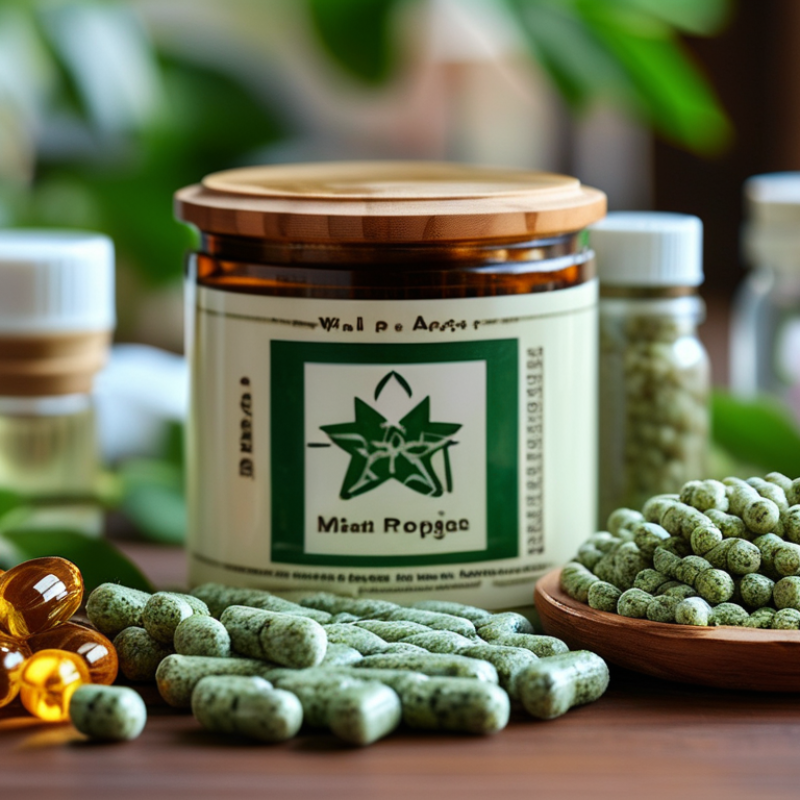
Top 10 Halal Supplement Manufacturers for Global Sourcing

Halal Supplement Standards and Certification Across Global Markets

Top 10 Halal Supplement Manufacturers for Global Sourcing

Halal certification is not a universal passport. Each market may apply different rules to ingredients, processing, labeling, and audits. OIC/SMIIC standards provide a useful reference, but national recognition still varies. Malaysia, Indonesia, Gulf markets, and European authorities may request different documents.

The State of the Global Islamic Economy 2023/24 reported Muslim spending of about US$103 billion on halal pharmaceuticals in 2022. It projects this figure to reach US$144 billion by 2027. Supplements sit close to this expanding sector. Their risk points are practical: gelatin capsules, collagen, enzymes, flavor carriers, alcohol-based extracts, and shared production lines.

A reliable manufacturer should provide ingredient specifications, supplier certificates, batch traceability, cleaning records, and change-control procedures. Certification should come from a competent body using recognized conformity assessment practices, such as ISO/IEC 17065 principles. Buyers should also confirm whether the certificate is accepted in the destination country.

One uncomfortable lesson remains. A valid certificate can still hide weak supplier controls. Auditors and buyers must check updates, not only certificate dates. Ask for the exact product scope. A factory may be certified, while one flavor or capsule material is excluded. The Halal Industry Development Corporation and the State of the Global Islamic Economy reports offer useful market context, but neither replaces a country-specific compliance review.

Global Supplements Reached $177.5B in 2023: Market Context and Demand

Top 10 Halal Supplement Manufacturers for Global Sourcing

Global supplements reached an estimated $177.5 billion in 2023, according to Grand View Research. The same report expects strong growth through 2030, driven by preventive health, sports nutrition, and aging consumers. Demand is also becoming more specific. Buyers increasingly request halal-certified capsules, clean excipients, and documented ingredient origins.

The State of the Global Islamic Economy reports that Muslim consumer spending on pharmaceuticals reached about $108 billion in 2022. This wider health market creates opportunities for reliable halal supplement manufacturers. However, sourcing decisions require more than a certificate displayed online. Buyers should check certification scope, renewal dates, allergen controls, and production-line separation. Traceability should reach the raw material supplier.

Quality systems matter. Look for current GMP compliance, HACCP procedures, laboratory testing, and stability data. Ask how each batch is tested for identity, contaminants, and dosage accuracy. Packaging details also deserve attention. A sealed bottle, readable lot code, and clear storage instructions can prevent costly problems.

The process is not always perfect. Certificates may cover one facility, but not every outsourced ingredient. That gap needs careful review. Smaller trial orders can reveal filling accuracy, communication speed, and documentation quality before larger commitments. For global sourcing, the strongest manufacturers combine halal integrity with practical evidence, consistent production, and transparent corrective actions.

How to Rank the Top 10 Halal Supplement Manufacturers

Ranking the top 10 halal supplement manufacturers requires more than checking a certificate on a website. A reliable assessment begins with certification scope, issuing authority, and renewal date. The certificate should cover the actual products, facilities, and production processes. It should not apply only to selected ingredients.

I would assign strong weight to ingredient traceability and factory controls. Can the manufacturer identify every supplier and processing aid? Are shared lines cleaned and documented before halal production? Auditors should review GMP records, allergen controls, batch samples, and certificates of analysis. Stability testing also matters, especially for powders, softgels, and products shipped through humid climates. Small details reveal operational maturity.

Supply performance deserves a separate score. Compare minimum order quantities, production lead times, packaging options, export documents, and responses to technical questions. A factory that answers clearly is easier to manage during a product change or delayed shipment. Customer complaint procedures should include investigation steps and corrective actions. Ask for evidence, not promises.

Scoring can combine compliance, quality, manufacturing experience, transparency, and commercial reliability. However, no ranking is completely objective. Public documents may be outdated, while an impressive audit may reflect only one production day. I would record missing evidence instead of guessing. That limitation should remain visible. A lower-ranked manufacturer may still suit a smaller buyer with simpler products and closer oversight.

Top 10 Manufacturers: Certifications, Capacity, Products, and Export Reach

Top 10 Halal Supplement Manufacturers for Global Sourcing

The strongest halal supplement manufacturers combine certification, production capacity, product breadth, and export discipline. The State of the Global Islamic Economy Report 2023/24 estimated Muslim food spending at about US$1.4 trillion in 2023, with continued growth expected through 2028. Grand View Research valued the global dietary supplements market at roughly US$177.5 billion in 2023. These figures show why halal verification now matters beyond regional trade.

For a top-ten shortlist, buyers should check valid halal certificates, audit scope, and certificate renewal dates. Manufacturing capacity also needs evidence, such as monthly output, batch sizes, lead times, and backup facilities. Product portfolios may include capsules, powders, gummies, probiotics, minerals, and botanical extracts. Export reach is clearer through destination records, multilingual labels, customs experience, and stability data for different climates. Certifications alone are not enough. Some suppliers present impressive documents but provide weak traceability. That gap deserves scrutiny.

Tips: Request one recent certificate, one sample batch record, and one export reference. Confirm whether gelatin, flavor systems, and processing aids are covered. Ask for allergen, heavy-metal, microbial, and shelf-life reports. The International Trade Centre and Codex Alimentarius provide useful trade and quality references, but neither replaces a halal audit. In practice, capacity claims can be difficult to compare. Production numbers may reflect theoretical equipment limits, not available capacity. A careful buyer should test this with a pilot order. Mistakes still happen, especially when distributors and factories describe the same product differently.

Top 10 Halal Supplement Manufacturers for Global Sourcing - Top 10 Manufacturers: Certifications, Capacity, Products, and Export Reach

Anonymous supplier comparison based on commonly disclosed manufacturing capabilities, certification frameworks, product categories, and international sourcing requirements.

Rank Anonymous Manufacturer Profile Primary Production Base Relevant Certifications & Compliance Approx. Annual Finished-Product Capacity Main Product Formats Key Product Categories Typical Minimum Order Quantity Export Reach Best Fit for Buyers
1 Profile A — High-Volume Contract Manufacturer Southeast Asia Halal certification; GMP; HACCP; ISO 22000 or equivalent food-safety system; batch traceability More than 100 million capsules or tablets annually Capsules, tablets, powder sachets, softgels Vitamins, minerals, herbal blends, sports nutrition Typically 100,000–250,000 units per SKU Asia-Pacific, Middle East, Africa, North America Large retail, pharmacy, and private-label programs
2 Profile B — Botanical and Herbal Specialist South Asia Halal certification; GMP; HACCP; identity and microbiological testing for botanical raw materials 20–60 million capsules or tablets annually Capsules, tablets, liquid extracts, powders Plant extracts, digestive support, traditional herbal formulas Typically 25,000–75,000 units per SKU Middle East, South Asia, Southeast Asia, Europe Herbal brands requiring customized formulations
3 Profile C — Premium Softgel Producer East Asia Halal certification; GMP; HACCP; allergen controls; stability and shelf-life testing 30–80 million softgels annually Softgels, liquid-filled capsules, oil-based sachets Omega oils, fat-soluble vitamins, botanical oils Typically 50,000–150,000 units per SKU North America, Europe, Asia-Pacific, Gulf markets Premium wellness and nutrition brands
4 Profile D — Sports Nutrition Manufacturer Europe Halal certification; GMP; HACCP; ISO 22000 or FSSC 22000; sports-substance control procedures 10,000–30,000 metric tons of powders annually Powders, sachets, ready-to-mix blends, tablets Protein powders, amino acids, electrolytes, pre-workout formulas Typically 1,000–5,000 kg per formulation European Union, United Kingdom, Middle East, North America Sports retailers and performance-nutrition brands
5 Profile E — Gummy and Chewable Specialist North America Halal certification; GMP; HACCP; allergen management; finished-product contaminant testing 20–70 million gummies annually Gummies, chewable tablets, lozenges Multivitamins, children's supplements, beauty nutrition Typically 100,000–300,000 units per flavor North America, Gulf markets, Southeast Asia, Australia Consumer brands seeking convenient dosage formats
6 Profile F — Pharmaceutical-Grade Tablet Facility Middle East Halal certification; pharmaceutical GMP; HACCP or ISO 22000; validated testing and documentation systems 50–150 million tablets annually Tablets, hard capsules, effervescent tablets Minerals, multivitamins, single-ingredient supplements Typically 100,000–500,000 units per SKU Gulf Cooperation Council markets, Africa, South Asia Pharmacy-led distribution and regulated markets
7 Profile G — Powder Blending and Sachet Facility Southeast Asia Halal certification; GMP; HACCP; ISO 22000; metal detection and foreign-material controls 5,000–15,000 metric tons of blended powder annually Sachets, stick packs, tubs, pouches Fiber, collagen alternatives, hydration blends, meal-support powders Typically 500–2,000 kg per blend Asia-Pacific, Middle East, Africa, Oceania E-commerce brands and subscription products
8 Profile H — Marine and Algae Ingredient Integrator Northern Europe Halal certification; GMP; HACCP; ISO 22000 or FSSC 22000; heavy-metal and oxidation testing 2,000–8,000 metric tons of oils and powders annually Softgels, oils, powders, capsules Algae oils, marine oils, mineral complexes, specialty nutrients Typically 10,000–50,000 units per SKU Europe, North America, East Asia, Gulf markets Sustainable and premium-ingredient product lines
9 Profile I — Flexible Private-Label Partner East Asia Halal certification; GMP; HACCP; ISO 9001 or food-safety certification; supplier qualification program 10–40 million units across multiple formats annually Capsules, tablets, powders, liquids General wellness, beauty, immunity, digestive health Typically 10,000–50,000 units per SKU Asia-Pacific, Europe, North America, Middle East Start-ups, test launches, and mid-sized brands
10 Profile J — Integrated End-to-End Export Manufacturer South Asia Halal certification; GMP; HACCP; ISO 22000; export documentation and lot-level traceability 30–100 million units across capsules, tablets, and powders annually Capsules, tablets, powders, sachets, liquid shots Multivitamins, sports nutrition, herbal supplements, functional beverages Typically 25,000–100,000 units per SKU Middle East, Africa, Europe, North America, Southeast Asia Distributors requiring consolidated international shipments
Sourcing note: Certification scope, production capacity, minimum order quantity, and export authorization can vary by facility, product, destination, and production year. Buyers should request current halal certificates, GMP or food-safety certificates, product specifications, certificates of analysis, audit reports, and destination-market documentation before placing an order.

Global Sourcing Checklist: Audits, Traceability, MOQ, and Regulatory Compliance

Top 10 Halal Supplement Manufacturers for Global Sourcing

A reliable supplier review starts with an independent audit, not a polished brochure. Check halal certification, audit scope, renewal dates, and the certifying body’s authority. Review production areas, cleaning procedures, storage controls, and allergen separation. A certificate alone is not enough. Sometimes, buyers overlook small process gaps.

Traceability should follow every ingredient from approved source to finished batch. Request lot codes, supplier declarations, laboratory results, and recall procedures. Test whether the manufacturer can identify affected products within hours. Confirm that records match physical labels and shipping documents. This step often reveals weak data control. Regulatory compliance also requires market-specific checks for claims, dosage limits, labeling, and permitted ingredients. Requirements differ across countries, so obtain written confirmation from qualified local professionals.

Tips: Ask for a live facility audit when practical. Compare the stated MOQ with trial-order flexibility, packaging costs, and lead times. A low MOQ may hide higher unit costs or limited customization. Request samples from several batches, not one attractive shipment. Keep a documented supplier scorecard covering audit findings, traceability, MOQ, testing, complaint handling, and corrective actions. No checklist is perfect. Revisit it after each shipment.

FAQS

Why is demand for halal supplements growing globally?

Global supplement sales reached about $177.5 billion in 2023. Preventive health, sports nutrition, and aging consumers support continued demand. Muslim consumers also seek documented halal products.

What should a buyer check on a halal certificate?

Check the issuing authority, renewal date, covered products, facilities, and production processes. A certificate may cover one facility only. It may not cover outsourced ingredients.

How can buyers verify ingredient traceability?

Ask for supplier records, processing-aid details, and certificates of analysis. Traceability should reach the original raw material supplier. Gaps deserve careful review.

Which factory quality systems matter most?

Look for current GMP compliance, HACCP procedures, laboratory testing, and stability data. Batch testing should confirm identity, contaminants, and dosage accuracy. Records matter more than promises.

How should shared production lines be reviewed?

Ask how lines are cleaned before halal production. Request cleaning records and allergen-control procedures. Separation may exist, but documentation can still be incomplete.

What packaging details help prevent sourcing problems?

Inspect sealed bottles, readable lot codes, and clear storage instructions. These details support product tracking. Humid shipping conditions may require stability evidence.

Why are small trial orders useful?

Small trials can reveal filling accuracy, communication speed, and document quality. They also expose delays before larger commitments. Small trials help.

How can manufacturers be ranked fairly?

Score certification, traceability, quality systems, manufacturing experience, transparency, and supply reliability. Compare minimum order quantities, lead times, packaging options, and export documents. No ranking is completely objective.

What limitations should buyers remember during evaluation?

Public documents may be outdated. An audit may represent only one production day. Missing evidence should be recorded instead of guessed. The process is not always perfect.

Conclusion

This guide explores the expanding global market for halal supplements, which reached an estimated $177.5 billion in 2023, and explains why certified, traceable, and regulation-ready production is increasingly important for international buyers. It outlines how halal standards differ across major markets, including requirements for ingredient integrity, hygiene, segregation, documentation, and recognized certification. The article also presents a practical framework for evaluating the top 10 halal supplement manufacturers based on certification status, manufacturing capacity, product range, quality systems, export experience, and supply chain transparency.

For global sourcing teams, the guide provides a focused checklist covering facility audits, raw material traceability, batch testing, minimum order quantities, packaging capabilities, lead times, and compliance with destination-market regulations. By applying these criteria, buyers can compare suppliers more consistently, reduce sourcing risks, and select partners capable of supporting reliable, scalable, and compliant halal supplement manufacturing across international markets.

Elowen

Elowen

Elowen is a highly skilled marketing professional dedicated to helping businesses understand the value, performance, and practical applications of our products. With a strong background in market research, content strategy, customer insights, and product communication, Elowen transforms complex......