Discover technical formulation guides, regulatory advice, and expert analyses on health supplements, skincare, and global market innovation.
OEM health beauty supplement manufacturing is more than placing a brand name on a bottle. It is a controlled process that turns a product idea into a consistent, testable, market-ready supplement. The manufacturer may support formula development, ingredient sourcing, flavor selection, packaging, production, and quality documentation. A serious facility should also explain its testing methods clearly.
Picture the process. A supplier provides raw materials, each with identification records and a certificate of analysis. The manufacturer checks the material before blending. Technicians record mixing times, temperatures, equipment cleaning, and batch numbers. Finished products may undergo identity, microbiological, heavy metal, and stability testing. These details matter because a beautiful label cannot correct an inconsistent formula.
Dr. Pieter Cohen, a Harvard Medical School supplement researcher, has stated, “Supplements are not drugs, and they are not regulated like drugs.” His warning deserves attention. OEM health beauty supplement brands must avoid unsupported disease claims and choose partners that understand applicable quality and labeling requirements. GMP certification helps, but it is not a complete guarantee. Audits can miss weaknesses. Documents can look perfect while practical controls remain uneven. That uncomfortable possibility requires careful supplier qualification, transparent communication, and independent verification when appropriate. A responsible manufacturer should welcome difficult questions, not hide behind polished brochures. The strongest partnership combines technical experience, realistic claims, traceable materials, and a willingness to improve after mistakes. That is where trust begins.
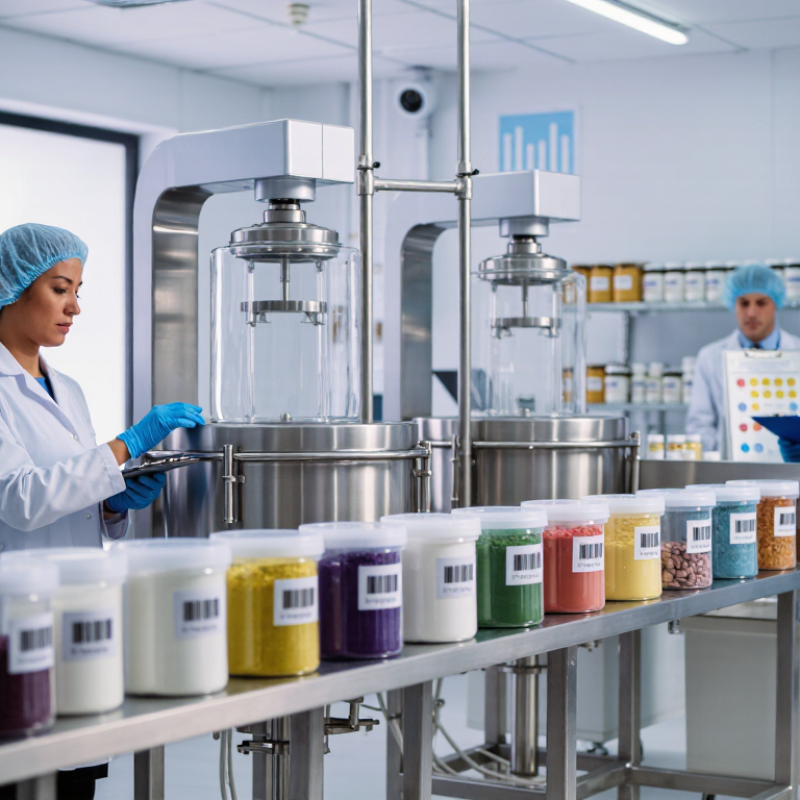
OEM health and beauty supplement manufacturing means producing capsules, powders, gummies, or beauty blends for another company.
The client usually provides a concept, target consumer, or formula direction. The OEM manufacturer manages sourcing, blending, filling, packaging, and batch testing.
The manufacturer executes.
Grand View Research valued the global dietary supplements market at approximately $177.5 billion in 2023. The Council for Responsible Nutrition’s 2024 Consumer Survey reported that 75% of U.S. adults use dietary supplements.
These figures show strong demand, but market size does not guarantee product success. An OEM partner still needs documented quality systems, skilled formulation support, and reliable production controls.
A reputable facility should follow applicable good manufacturing practices and maintain traceable batch records. Testing may include identity, purity, microbial limits, heavy metals, and stability.
A 500-milligram capsule must contain the intended ingredients, not only attractive packaging claims. Small details matter. Forecasts are not promises.
Tips: Ask for a sample certificate of analysis, stability data, allergen controls, minimum order quantities, and realistic lead times. Check whether testing is performed internally or by an independent laboratory. Request evidence of supplier qualification and corrective-action procedures. Do not accept vague answers. A formula may look perfect on paper, yet dissolve poorly or change color during storage. That uncomfortable possibility deserves testing before a large production run.
What Is OEM Health Beauty Supplement Manufacturing?
How Formulas Become Compliant Products Under FDA 21 CFR Part 111
OEM health and beauty supplement manufacturing begins when a formula moves from paper into controlled production. Under FDA 21 CFR Part 111, the manufacturer must define specifications for ingredients, packaging, finished products, and processes. These specifications may cover identity, purity, strength, composition, and contamination limits. A quality team should also qualify suppliers and review certificates of analysis. Paperwork matters.
Before production, the formula becomes a Master Manufacturing Record. It lists ingredient weights, processing steps, equipment, expected yield, and packaging instructions. During each batch, trained employees follow a Batch Production Record. They record lot numbers, actual weights, equipment checks, and any deviation. A scale reading of 2.003 kilograms should not become “about two kilograms.” Small details can affect traceability.
Testing then supports release decisions. Identity testing is required for dietary ingredients, while finished products must meet established specifications. Samples should be collected, examined, and retained according to written procedures. The facility also needs sanitation controls, complaint handling, and investigations for failed batches. FDA does not preapprove every supplement formula. Compliance depends on documented controls and reliable execution. No system is flawless. A rushed record review can miss a transcription error, so independent checks remain valuable. Good manufacturing is less about impressive claims and more about evidence that each bottle matches its approved instructions.
| Manufacturing Dimension | What Happens in OEM Production | Compliance Expectation Under 21 CFR Part 111 | Typical Evidence or Output |
|---|---|---|---|
| OEM Scope Definition | The product owner provides a concept, formula direction, packaging requirements, or finished-product specifications. The manufacturer converts these requirements into controlled production activities. | “OEM” is a commercial manufacturing arrangement, not a separate FDA approval category. The dietary supplement must be manufactured, packaged, labeled, and held in accordance with applicable dietary supplement current good manufacturing practice requirements. | Approved project brief, product specifications, technical agreement, and responsibility matrix. |
| Formula and Ingredient Review | Each dietary ingredient and other ingredient is reviewed for identity, intended use, dosage, form, processing suitability, and compatibility with the finished product. | Specifications should address the identity, purity, strength, composition, and limits on contaminants for components and finished products, as appropriate. | Formula master, ingredient specifications, supplier documentation, certificates of analysis, and risk assessment. |
| Label and Claims Review | The proposed Supplement Facts panel, ingredient declaration, directions, warnings, allergen information, and marketing claims are reviewed before artwork approval. | A dietary supplement label must comply with applicable labeling requirements. Disease claims may cause a product to be regulated as a drug, and structure/function claims have specific notification and disclaimer requirements. | Controlled label artwork, claim substantiation file, label approval record, and packaging specifications. |
| Master Manufacturing Record | The approved formula is converted into a repeatable manufacturing instruction covering component quantities, processing steps, equipment, in-process controls, yield expectations, packaging, and labeling. | A master manufacturing record must provide complete instructions and specifications so each batch can be produced consistently according to the approved formula. | Controlled master manufacturing record, version history, process parameters, theoretical yield, and sampling instructions. |
| Incoming Material Control | Raw materials, packaging components, and labels are received, identified, quarantined when required, sampled, tested or examined, and released before use. | Materials must meet established specifications. Quality control must approve or reject components, packaging, labels, and finished products based on appropriate review and testing. | Receiving records, lot numbers, quarantine status, sampling records, test results, and material-release decisions. |
| Batch Production | The manufacturer weighs and dispenses materials, performs blending or other processing, documents in-process checks, and records actual quantities and equipment used for each batch. | Operations must follow the approved master manufacturing record, use suitable equipment and controls, and prevent contamination, mix-ups, and incorrect labeling. | Batch production record, operator initials or signatures, equipment identification, actual weights, process checks, deviations, and yield reconciliation. |
| Quality Control Testing | Samples are evaluated using scientifically valid methods appropriate to the product, such as identity testing, assay or strength testing, microbiological testing, and physical or chemical examination. | Testing and examinations must demonstrate that specifications are met. The testing program should be appropriate for the product, ingredients, risks, and established acceptance criteria. | Laboratory worksheets, validated or verified methods, certificates of analysis, specifications, results, and out-of-specification investigations. |
| Packaging and Label Control | Approved containers, closures, labels, lot codes, expiration or best-by information, and packaging instructions are reconciled and applied to the correct product. | Controls must reduce the risk of product mix-ups, contamination, incorrect labeling, and use of obsolete packaging materials. | Packaging records, line-clearance checks, label reconciliation, coding records, finished-packaging inspection, and final yield. |
| Quality Review and Batch Release | Quality personnel review production, laboratory, packaging, deviation, and investigation records before the batch is released for distribution. | Quality control must approve or reject finished products and ensure that required specifications and record reviews are complete before release. | Signed batch-release checklist, quality review, deviation closure, disposition decision, and distribution authorization. |
| Traceability and Records | The finished product is linked to the supplier lots, component lots, manufacturing date, equipment, operators, test results, packaging materials, and distribution records. | Records must be accurate, complete, readily available, and retained for the required period. Documentation should support investigation, recall readiness, and product history review. | Electronic or paper records, lot genealogy, inventory records, complaint files, annual product reviews, and recall procedures. |
| Post-Market Monitoring | Consumer complaints, adverse events, returns, stability observations, and quality trends are collected and assessed after distribution. | Serious adverse event information must be handled according to applicable federal requirements, and complaint records must be reviewed for potential product or process issues. | Complaint log, adverse-event assessment, corrective and preventive action records, trend reports, and recall documentation when necessary. |
| Regulatory Status | The completed product is manufactured under controlled procedures and released after quality review; it is not automatically “FDA approved.” | FDA generally does not pre-approve dietary supplements or their labels before marketing. The responsible parties must comply with applicable laws, regulations, notification obligations, labeling rules, and dietary supplement CGMP requirements. | Compliance file containing specifications, manufacturing records, test results, label records, quality approvals, and applicable regulatory notifications. |
What Is OEM Health Beauty Supplement Manufacturing?
How OEM Factories Control Quality with GMP, COAs, and ISO 22716
OEM manufacturing is more than filling capsules or blending powders. It requires documented control from approved raw materials to sealed cartons. The 2024 Global Wellness Economy Monitor valued the wellness economy at $6.3 trillion in 2023. That scale increases pressure on factories to prove consistency, not merely promise it.
For supplements, GMP systems follow FDA 21 CFR Part 111. Staff verify supplier records, batch identity, weighing steps, cleaning logs, and finished-product testing. Each batch should carry a Certificate of Analysis, or COA. A useful COA lists methods, specifications, results, laboratory approval, and lot details. A COA alone is not enough. Factories should compare it with independent test results and retain samples.
Beauty products need another layer. ISO 22716 provides practical GMP guidance for cosmetic production, including hygiene, equipment control, storage, and complaint handling. It does not replace supplement regulations. This distinction matters. Auditors often inspect cleanroom behavior, labeled containers, temperature records, and traceability during a mock recall.
Quality teams also investigate deviations instead of hiding them. A missed temperature entry may seem minor, yet repeated gaps can signal weak supervision. No checklist catches every risk. Human judgment still matters. Experienced factories review trends, challenge unusual results, and improve procedures after each near miss. Reliable OEM quality is visible in records, not in polished sales language.
OEM health beauty supplement manufacturing is a controlled process, not just a formula placed in a bottle. The workflow usually begins with a product brief and MOQ discussion. The manufacturer reviews dosage form, target market, packaging, and expected annual volume. A realistic MOQ prevents excess inventory and protects product freshness.
The second step is formula development and sampling. Technicians adjust texture, flavor, color, and active levels through several trials. A sample may look perfect but still fail stability testing. That is a useful warning. The third step covers ingredient approval, specifications, label review, and required technical documents. Claims must remain accurate and comply with the destination market’s regulations. Small wording errors can delay the project.
After approval, the fourth step is pilot production or full manufacturing, depending on order size. Operators record weighing, blending, filling, and packaging details. The fifth step is quality control, including identity checks, microbial testing, weight checks, and batch record review. Release should happen only after qualified personnel approve the results. The sixth step is shipment preparation. Finished cartons are checked against purchase orders, pallet plans, shipping documents, and storage requirements. Temperature-sensitive materials may need additional handling. Timing can still change because of testing results, packaging shortages, or customs procedures. Clear communication helps, but it never replaces documented quality controls.
In OEM health and beauty supplement manufacturing, testing begins with identity. A powder may look correct, yet appearance proves very little. Analysts compare botanical markers, minerals, or active compounds with approved reference standards. HPLC, microscopy, or DNA testing may suit different ingredients. Each lot should have traceable records, including supplier details, batch numbers, and sampling dates. Small errors here can weaken every later decision.
Purity testing checks what should be present and what must be absent. Laboratories may examine heavy metals, microbes, pesticides, and residual solvents where relevant. Results need defined specifications, validated methods, and clear acceptance limits. A clean-looking certificate is not enough. Laboratory competence, sample handling, and chain of custody also matter. Retesting can help, but it cannot repair poor sampling.
Label review connects laboratory evidence with consumer language. Ingredient amounts should match tested formulations and declared serving sizes. Claims such as “supports skin hydration” need suitable evidence and careful wording. Stronger promises require stronger substantiation and may create additional regulatory expectations. Teams sometimes approve attractive labels before checking the final formula. That is a costly blind spot. Documents should be reviewed again after formulation changes, because labels rarely fail dramatically; they fail through small, overlooked details.
It covers formula development, raw material approval, blending, filling, testing, packaging, and shipment.
GMP requires documented supplier checks, weighing records, cleaning logs, batch identity, and finished-product testing.
A COA should list test methods, specifications, results, lot details, and laboratory approval.
No. Quality teams should compare COA results with independent testing and retained samples.
It guides hygiene, equipment control, storage, production practices, and complaint handling for beauty products.
Technicians test texture, flavor, color, and active levels through several samples.
A realistic MOQ can reduce excess inventory and help protect product freshness.
Teams review identity, microbial results, weights, batch records, cartons, pallets, and shipping documents.
Teams investigate deviations, review unusual results, and improve procedures after near misses.
Yes. Testing results, packaging shortages, temperature needs, or customs procedures may affect timing.
OEM health beauty supplement manufacturing enables businesses to develop and produce supplements through specialized, compliant factories. In a market valued at $177.5 billion in 2023, the process involves turning a product concept and formula into a finished product that meets regulatory, quality, and safety requirements. Manufacturers typically work under FDA 21 CFR Part 111, applying documented procedures for production, sanitation, recordkeeping, and quality control.
A reliable OEM workflow generally covers formula assessment, ingredient sourcing, sampling, approval, bulk production, testing, packaging, and shipment, with minimum order quantities established at the planning stage. Quality systems may include GMP practices, ISO 22716 principles, batch documentation, and Certificates of Analysis (COAs). Before release, products are evaluated for identity, purity, strength, and safety, while labels and marketing claims are reviewed for accuracy and compliance. This structured approach helps create consistent, traceable, and market-ready health and beauty supplements.