Discover technical formulation guides, regulatory advice, and expert analyses on health supplements, skincare, and global market innovation.
Choosing an OEM supplement capsule manufacturer is a quality decision, not merely a pricing exercise. The global dietary supplements market reached approximately USD 177.5 billion in 2023, according to Grand View Research. That scale increases opportunity, but it also increases supplier complexity. A bright factory floor proves little.
A reliable OEM supplement capsule manufacturer should demonstrate documented cGMP systems, validated cleaning procedures, qualified raw-material suppliers, and batch-level traceability. The FDA’s Current Good Manufacturing Practice requirements emphasize identity, purity, strength, composition, and contamination control. Ask for recent audit findings, not only certificates. Request a sample certificate of analysis, stability data, capsule specifications, and microbial testing records. Confirm whether the laboratory is independent and properly accredited.
Steve Mister, president of the Council for Responsible Nutrition, advises consumers to “talk to their healthcare practitioner before taking a dietary supplement.” That principle also supports responsible manufacturer selection. Formulas need scientific review, transparent labeling, and realistic claims. Euromonitor International and CRN consumer research both show continued demand for trusted, transparent supplement products, although market demand cannot replace technical verification.
The checklist is not glamorous. It is necessary.
Some buyers focus too heavily on minimum order quantities and fast samples. That can be a costly mistake. A factory may produce attractive capsules while lacking robust change-control procedures. Visit the production site when possible. Speak with quality managers, not only sales representatives. Review complaint handling, recall readiness, packaging controls, and export experience.
There is no perfect supplier. However, documented evidence, direct questions, and careful pilot batches can expose weaknesses before they reach consumers.
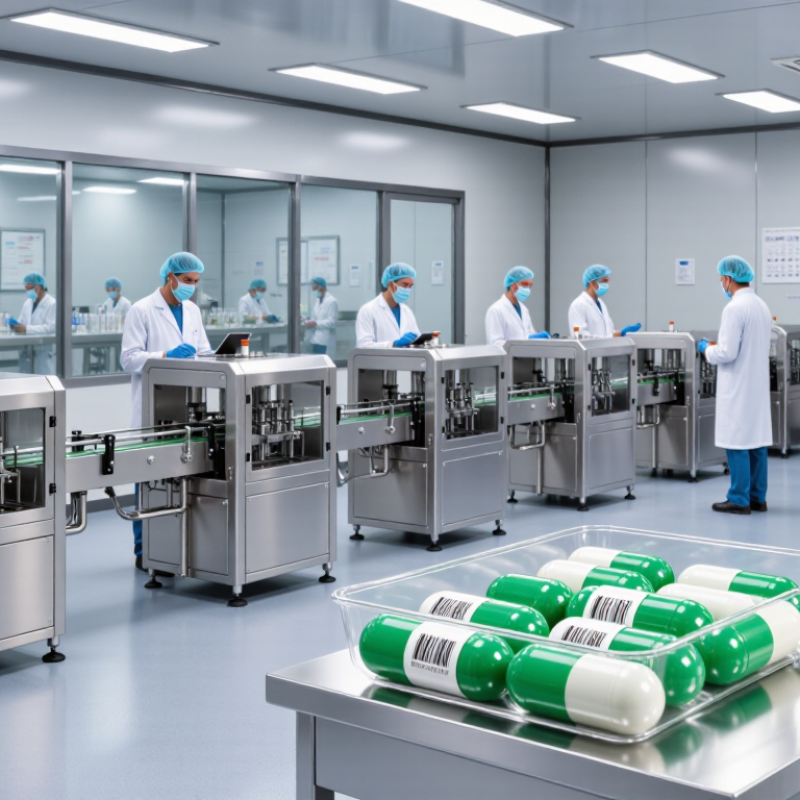
How to Choose a China OEM Supplement Capsule Manufacturer?
Understanding China OEM Supplement Capsule Manufacturing starts with the factory floor, not the sales brochure. Review how raw materials are received, labeled, sampled, and stored. Separate allergen areas can reduce cross-contact risks. Temperature and humidity records also matter, especially for moisture-sensitive powders.
Ask the manufacturer to explain its capsule production process in clear steps. This should include blending, capsule filling, metal detection, inspection, and final packing. Request batch records, certificates of analysis, and recent third-party test reports. Check whether testing covers identity, purity, microbial limits, and heavy metals. A reliable manufacturer should explain deviations instead of hiding them.
Look closely at technical communication. Can the team adjust capsule size, fill weight, or shell material without making vague promises? Request a pilot batch before signing a large order. Confirm minimum order quantities, lead times, packaging controls, and change-notification procedures. A low quotation may reflect efficiency, but it may also hide limited testing or weak documentation. No factory is perfect. One supplier may offer strong quality control yet communicate slowly. Another may respond quickly but lack detailed records. That trade-off deserves careful review before production begins.
Choosing a China OEM supplement capsule manufacturer begins with a precise product brief. Define capsule size, shell material, active ingredients, dosage, color, filling weight, and target market. A vague request produces vague quotations.
Market demand is significant. Grand View Research estimated the global dietary supplements market at about USD 177.5 billion in 2023. That scale increases competition and raises quality expectations. Share your formula, allergen limits, stability targets, and packaging requirements before discussing price. I have found that a low unit cost can hide expensive testing, rework, or delayed customs clearance. Sometimes, the cheapest option is not economical.
Quality requirements should include raw-material identity testing, microbial limits, heavy-metal controls, batch traceability, and finished-product certificates. Ask to review recent test records, not only a polished presentation. Manufacturing should follow applicable GMP rules, including 21 CFR Part 111 for products entering the United States. For broader markets, check Codex guidance and local registration rules. ISO 22000 or HACCP systems can support food-safety controls, but certification alone proves little. Audit the actual capsule line, weighing area, warehouse humidity, and complaint process.
One overlooked detail matters: confirm whether test methods match your formula. A certificate may look complete while measuring the wrong specification.
When choosing a China OEM supplement capsule manufacturer, verify qualifications beyond a polished website. The Grand View Research Dietary Supplements Market Size Report estimated the global market at USD 177.5 billion in 2023. Demand is strong, but quality risks also increase. The 2023 CRN Consumer Survey reported that 74% of U.S. adults use supplements.
A capable factory should provide current cGMP documentation, relevant product registrations, audit records, and traceable certificates of analysis. Check whether testing covers identity, potency, microbiological limits, heavy metals, and allergens. Ask to review anonymized batch records and deviation reports. Real evidence matters.
Production capability requires physical verification. Request a live video tour or an independent factory audit. Look for separated raw-material zones, controlled weighing rooms, metal detection, capsule inspection, and documented cleaning procedures. The manufacturer should explain validated filling speeds, changeover times, minimum order quantities, and monthly capacity. It should also show how reserve capacity protects delivery schedules.
Under 21 CFR Part 111, written specifications and quality-control procedures are essential for dietary supplements. However, a certificate alone proves little. A factory may own modern equipment yet lack disciplined operators. That uncomfortable detail is easy to ignore.
Ask for stability data, sample retention rules, complaint handling records, and recall procedures. Review the answers with a qualified quality professional, because my own checklist would still miss something.
How to Choose a China OEM Supplement Capsule Manufacturer?
Price is important, but the lowest quotation can hide extra costs. Compare capsule materials, formulation work, testing, packaging, and shipping separately. Request an itemized quote with currency, payment terms, and revision fees. A practical sourcing lesson is simple: cheaper production may require more quality checks later. Ask whether the quoted price includes batch testing and a certificate of analysis.
Minimum order quantities can affect cash flow. A factory may request 100,000 capsules, while your launch needs only 20,000. Discuss a pilot order or flexible packaging quantity. Sample costs also need clarification. Some manufacturers provide formula samples, while others charge for development and courier delivery. Check the sample’s capsule size, color, smell, filling weight, and packaging condition. One sample is not enough evidence. Compare samples from different production dates when possible.
Tips: Ask for a written sample approval process. Confirm the testing laboratory, production standards, and traceability records. Request a timeline showing formulation, sampling, production, inspection, and dispatch. Lead times often exclude artwork approval or delayed raw materials. Add a reasonable buffer. I would not promise a launch date before receiving a confirmed production schedule. Mistakes happen, and optimistic planning can become an expensive lesson. Choose a manufacturer that explains limitations clearly and provides consistent documentation for your target market.
Typical China OEM market ranges for supplement capsule projects. Actual quotations vary according to formula complexity, ingredient costs, packaging, testing requirements, order volume, and regulatory documentation.
| OEM Project Type | Typical Product Format | Indicative Factory Price | Typical Minimum Order | Sample Policy | Production Lead Time | Best Fit | Key Cost Drivers |
|---|---|---|---|---|---|---|---|
| Standard stock formula | Capsules using an existing formula and standard packaging | US$0.80–2.20 per bottle | 500–1,000 bottles | Usually 1–3 free samples; shipping normally paid by the buyer | 15–25 working days after artwork and deposit approval | Testing a new market or launching a small initial order | Capsule count, active ingredients, bottle type, label, and freight |
| Custom formula, standard gelatin capsule | Private-label formula with 30–120 capsules per bottle | US$1.20–3.80 per bottle | 1,000–3,000 bottles | Laboratory or pilot samples commonly require 5–15 working days | 25–40 working days after formula confirmation | Brands requiring differentiated dosage or ingredient positioning | Raw material grades, dosage, botanical extracts, testing, and formulation work |
| Vegetarian HPMC capsule | HPMC capsules with standard bottle or pouch packaging | US$1.50–4.50 per bottle | 1,000–3,000 bottles | Formula samples are typically chargeable and are credited against a larger order in some cases | 30–45 working days | Vegetarian, vegan, halal-conscious, or premium product lines | HPMC shell cost, filling speed, capsule count, raw material sourcing, and testing |
| Premium botanical or probiotic formula | Capsules containing standardized extracts, probiotics, or temperature-sensitive ingredients | US$2.50–8.00 per bottle | 2,000–5,000 bottles | Stability or viability samples may require a separate laboratory fee | 35–60 working days | Products with clinically positioned or high-value ingredients | Extract standardization, potency, cold-chain handling, moisture control, and stability testing |
| Custom printed capsule | Gelatin or HPMC capsule with one- or two-color shell printing | US$1.60–5.00 per bottle | 3,000–10,000 bottles | Printed capsule color and artwork samples usually require approval before production | 35–55 working days | Brands seeking visible product differentiation without changing the formula | Printing setup, shell color, minimum shell quantity, artwork complexity, and inspection |
| Enteric-coated capsule | Delayed-release capsule designed to resist stomach conditions | US$2.20–6.50 per bottle | 3,000–10,000 bottles | Technical samples and dissolution testing are normally required | 45–70 working days | Formulas requiring delayed release or targeted gastrointestinal delivery | Coating process, dissolution specifications, equipment setup, and validation testing |
| Bulk capsules without retail packaging | Filled capsules supplied in bulk for later packaging or contract packing | US$0.015–0.080 per capsule | 100,000–500,000 capsules | Small pilot batches are commonly available at an additional charge | 20–40 working days after formula approval | Importers, repackers, and manufacturers with their own packaging lines | Capsule shell, fill weight, active ingredients, bulk containers, and testing documents |
| Fast-track replenishment order | Repeat production using an approved formula, packaging, and specifications | Usually 3%–10% lower than the first order | Same as the approved production minimum; often 1,000+ bottles | Retained reference samples may be used instead of a new development sample | 15–30 working days, subject to raw material availability | Established products requiring regular inventory replenishment | Stock availability, production scheduling, packaging inventory, and required release tests |
Important: Before placing an order, request a written quotation that separates product cost, formulation or sample fees, packaging, laboratory testing, certification, tooling, freight, and payment terms. Confirm the applicable GMP standard, batch testing documents, ingredient specifications, shelf-life evidence, and export-market compliance requirements.
How to Choose a China OEM Supplement Capsule Manufacturer?
A reliable China OEM capsule manufacturer should make contracts readable, not impressive. Define capsule material, dosage, testing methods, delivery dates, ownership of formulas, and remedies for failed batches. The FDA’s dietary supplement cGMP rules, 21 CFR Part 111, require written specifications, master manufacturing records, quality testing, and complaint procedures. Ask to review these records before signing. Do not accept “international standards” without named standards, controlled documents, and recent audit evidence. A factory tour should show separate raw-material zones, labelled quarantine areas, calibrated scales, and clean production rooms. Small details matter.
Quality control must continue after the first successful batch. Request supplier qualification records, certificates of analysis, identity testing, microbial limits, heavy-metal testing, and stability data. Independent laboratory verification is worth the added cost. Grand View Research estimated the global dietary supplements market at USD 177.5 billion in 2023, creating pressure for faster production and stricter consistency. Speed can hide weak controls. Long-term support should include retained samples, change notifications, deviation reports, and a clear recall process. A 2023 Council for Responsible Nutrition survey reported that 74% of U.S. adults use dietary supplements, so consumer trust carries real weight. I would still ask uncomfortable questions. No audit is perfect, and a polished factory can conceal poor follow-up. Contracts need measurable service levels, not friendly promises.
Suggested due-diligence weighting: quality control receives the highest priority because it covers GMP evidence, raw-material traceability, batch testing, contamination controls, stability data, and compliant labeling. Contract verification should define specifications, payment terms, ownership of formulas, change-control requirements, inspection rights, delivery standards, and remedies. Long-term support should cover communication, documentation updates, complaint handling, recall cooperation, and production continuity. These percentages are a practical assessment framework, not company or market-share data.
Inspect raw-material receiving, labeling, sampling, storage, and allergen controls. Check temperature and humidity records near the production area. A brochure is not enough.
The process should cover blending, capsule filling, metal detection, inspection, and final packing. Ask for batch records and recent laboratory reports. Details matter.
Testing should cover identity, purity, microbial limits, and heavy metals. Confirm that methods match your exact formula and specifications. A complete-looking certificate can still test the wrong requirement.
Define capsule size, shell material, ingredients, dosage, color, fill weight, and target market. Include allergen limits, stability goals, and packaging details. Vague requests create vague quotations.
Request separate costs for materials, formulation, testing, packaging, and shipping. Confirm payment terms, currency, revision fees, and included certificates. The cheapest quote may create costly rework later.
Compare the minimum order with your actual launch needs and available cash. Ask about pilot batches or smaller packaging quantities. Examine capsule size, color, smell, fill weight, and package condition.
Request dates for formulation, sampling, approval, production, inspection, and dispatch. Confirm whether artwork approval and delayed materials affect the schedule. Add a buffer.
Ask how the team handles formula changes, deviations, complaints, and production delays. Compare response speed with record quality. Quick replies are useful, but weak documents are risky. I would not trust promises alone.
Choosing the right OEM supplement capsule manufacturer requires more than comparing basic prices. Start by clearly defining your product concept, capsule format, ingredients, dosage, packaging, quality standards, and target market requirements. A reliable manufacturer should demonstrate appropriate certifications, experienced technical staff, suitable production facilities, and strong quality management systems. Review its ability to handle formulation development, testing, packaging, and consistent large-scale production.
When comparing potential suppliers, evaluate minimum order quantities, sample policies, pricing transparency, production capacity, and realistic lead times. Before placing an order, carefully verify specifications, responsibilities, confidentiality terms, inspection procedures, payment conditions, and delivery arrangements in the contract. Ask how raw materials are checked, how batch quality is monitored, and how nonconforming products are handled. Clear communication, traceable documentation, responsive support, and a commitment to long-term cooperation can help reduce supply risks and build a dependable manufacturing partnership.