Choosing a GMP nutraceutical manufacturer is not a simple price comparison. Global buyers must examine how each supplier controls raw materials, production records, testing, packaging, and post-market support. A polished website proves very little. Real evidence appears in batch documents, audit trails, laboratory results, and corrective-action records.
Dr. Daniel Fabricant, a recognized nutraceutical industry expert and former FDA official, has emphasized, “GMPs are not a marketing claim; they are a system of controls.” That principle should guide every supplier review. A reliable manufacturer can explain its procedures without hiding behind technical language. It should also provide clear answers about supplier qualification, identity testing, contamination prevention, stability studies, and recall readiness. Ask for examples. Look for consistency.
This guide evaluates seven manufacturers serving international buyers. The comparison considers certification scope, production capabilities, quality transparency, formulation support, minimum order quantities, and export experience. It also considers communication speed, because delayed answers can become delayed shipments. Still, no ranking is permanent. Facilities change. Certificates expire. Markets evolve. Buyers should verify current documentation before signing any agreement. Even strong manufacturers may have limitations, such as narrow dosage-form capacity or limited regional registrations. That matters. A thoughtful decision weighs both strengths and gaps, rather than trusting impressive claims.
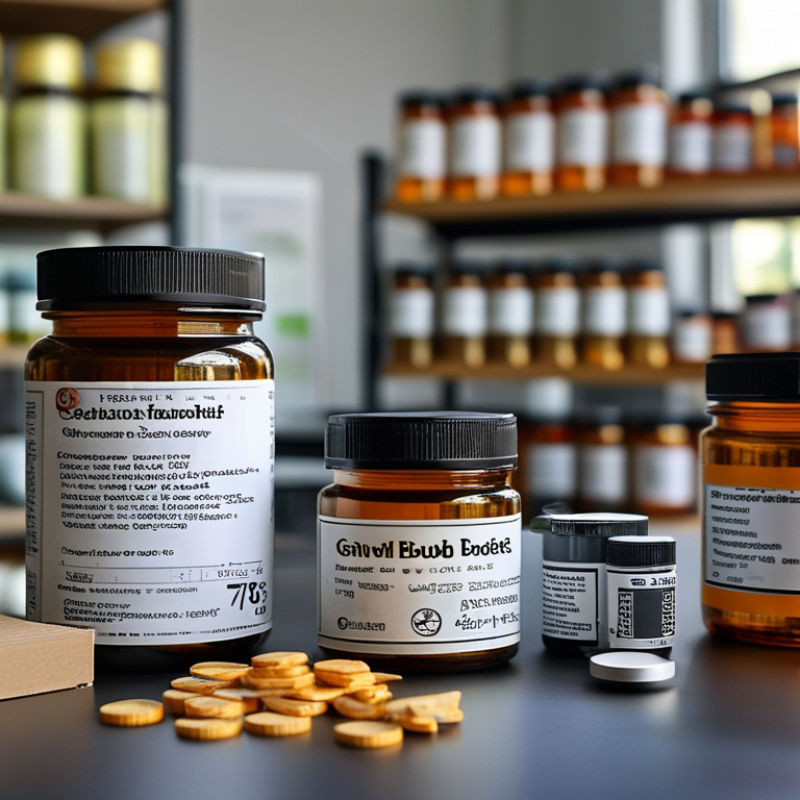
What GMP Certification Means for Nutraceutical Manufacturers
What GMP Certification Means for Nutraceutical Manufacturers
GMP certification shows that a nutraceutical manufacturer follows controlled production practices. It covers raw materials, equipment, hygiene, testing, packaging, and recordkeeping. The goal is consistent quality, not merely a polished facility.
In a practical supplier review, buyers should examine batch records, cleaning logs, and laboratory results. A well-managed site can trace a finished bottle back to its ingredients and production date. Staff should know how to handle deviations, rejected materials, and customer complaints. Supplier qualification also matters, especially for botanical extracts and mineral ingredients. Small gaps can create large risks.
GMP is not a guarantee of perfect products. It does not replace independent testing or careful due diligence. A certificate may have an expiration date, limited scope, or conditions that buyers overlook. Verify the issuing body, covered products, manufacturing address, and audit status. Ask whether testing uses validated methods and whether stability data supports the stated shelf life.
Good documentation should be easy to follow. Missing signatures or unclear temperature records deserve questions. Some manufacturers may answer slowly, which is not automatically a failure, but it reveals how communication could work after a shipment problem. Global buyers should also review local import rules and labeling requirements. Certification supports trust, yet thoughtful verification remains necessary.
How to Evaluate Nutraceutical Manufacturers for Global Supply
Choosing among the 7 best GMP nutraceutical manufacturers requires more than comparing prices. Global buyers should examine quality systems, production experience, and evidence of consistent delivery.
Request current GMP certificates, recent audit reports, and batch records. Verify whether testing covers identity, potency, microbes, heavy metals, and contaminants. A clear certificate of analysis should match the exact lot shipped. Ask how raw materials are approved and traced from supplier to finished product. Paperwork matters.
Production capacity also deserves a close look. A factory may produce excellent pilot batches but struggle with larger orders. Confirm equipment, minimum order quantities, lead times, packaging controls, and stability testing. Review complaint handling and recall procedures. Ask for realistic answers, not polished promises.
Regulatory support can reveal a manufacturer’s real expertise. The supplier should understand labeling, permitted ingredients, and import documentation for each target market. Independent laboratory testing may still be necessary. In my experience, communication during a sample project often predicts future performance. Delayed replies can become delayed shipments. No supplier looks perfect. I would record every gap, discuss its risk, and avoid treating confidence as proof.
Seven Leading GMP Nutraceutical Manufacturers for International Buyers
International buyers often evaluate seven leading GMP nutraceutical manufacturers by capability, not advertising. These facilities typically specialize in botanical extracts, vitamins and minerals, probiotics, softgels, powders, liquid formulas, or contract development. A reliable manufacturer should provide current GMP certification, batch records, ingredient specifications, and traceable sourcing. Clear documentation matters.
Look for controlled weighing rooms, validated cleaning procedures, and temperature-monitored storage. Ask whether the facility performs identity, purity, microbiological, and heavy-metal testing. Certificates of analysis should match the actual batch, not a generic template. Stability data can also reveal how a product may perform during long international transport. Small details matter.
Experience helps, but it is not enough. A manufacturer may have modern equipment yet communicate poorly about deviations or rejected batches. That should raise questions. International buyers should review audit findings, recall procedures, packaging controls, and export documentation before signing contracts. Regulatory requirements differ across markets, and one formula may need reformulation. This is often overlooked. A careful supplier explains limitations instead of promising approval everywhere. Pricing, minimum order quantities, lead times, and sample consistency should also be checked against written evidence. Seven strong candidates may appear similar, but their quality systems can differ significantly behind closed doors.
Comparing Product Quality, Certifications, Capacity, and Global Reach
For global buyers, the seven best GMP nutraceutical manufacturers should be compared through evidence, not polished brochures.
Product quality begins with validated raw-material testing, identity checks, contamination controls, and batch-to-batch consistency. FDA 21 CFR Part 111 sets detailed cGMP requirements for dietary supplements in the United States. However, certification alone does not prove excellent execution. Review recent audit findings, laboratory methods, deviation records, and certificate validity.
Capacity also needs practical proof. A manufacturer may claim large output, yet struggle with small pilot batches or seasonal demand. Check annual production volume, reserve capacity, minimum order quantities, packaging lines, and average lead times.
Grand View Research estimated the global nutraceutical market at more than USD 450 billion in 2023, with continued growth expected through 2030. This pressure can expose weak quality systems. Global reach requires export experience, multilingual documentation, stability data, and a clear process for handling customs or regulatory differences. CRN’s 2023 Consumer Survey reported that 74% of U.S. adults use dietary supplements, showing why reliable supply matters.
Tips:
Request three recent certificates, not one. Verify the issuing body independently. Ask for a sample certificate of analysis and a mock recall timeline. Compare test limits, not just test names. No scorecard is perfect. I would also inspect complaint trends, because even a well-certified facility can miss recurring packaging or labeling problems. A factory tour helps, but an unannounced audit may reveal more. Evaluate transparency, corrective-action speed, and whether production data matches the promised capacity.
Steps for Choosing the Right GMP Manufacturing Partner
Choosing a GMP nutraceutical manufacturing partner requires more than comparing prices. Grand View Research valued the global dietary supplements market at approximately USD 177.5 billion in 2023. That scale increases pressure on quality systems, documentation, and supply continuity. Build a shortlist of seven manufacturers, then verify certifications, inspection history, production capacity, and experience with your dosage form.
Ask for recent audit evidence, not only a certificate on a wall. WHO Technical Report Series No. 986 emphasizes documented quality systems, validated processes, and controlled contamination risks. Review batch records, deviation reports, corrective actions, and stability data. Confirm whether laboratories use validated methods and qualified reference standards. Check raw-material traceability down to supplier and lot number. Small gaps matter.
FDA 21 CFR Part 111 also requires specifications for components, in-process controls, packaging, and finished products. Request sample specifications before signing. Compare them with your target markets and testing needs. A capable partner should explain failures clearly, including out-of-specification results. That conversation can feel uncomfortable. It is useful.
Assess communication during a technical meeting. Do questions receive evidence or vague promises? Review change-control procedures, backup suppliers, recall readiness, and release timelines. Grand View Research projects continued market growth through 2030, but expansion can expose weak capacity planning. A modern facility may still struggle with seasonal demand. Score every manufacturer consistently, document assumptions, and revisit them after pilot production.
7 Best GMP Nutraceutical Manufacturers for Global Buyers
Recommended evaluation priorities for choosing the right GMP manufacturing partner
Global buyers should prioritize a documented quality system, regulatory compliance, batch testing, traceability, and recall readiness before comparing price or production capacity. This practical weighting model reflects the evidence typically reviewed against requirements such as FDA 21 CFR Part 111 and applicable EU GMP expectations. The percentages are buyer-evaluation weights, not company rankings.
FAQS
It shows controlled practices for materials, equipment, hygiene, testing, packaging, and records. It does not prove perfect products.
Request batch records, cleaning logs, laboratory results, deviation reports, and corrective actions. Missing signatures deserve questions.
No. Buyers should still verify identity, purity, microbiological quality, heavy metals, and finished-batch results.
Check the issuing organization, manufacturing address, covered products, expiration date, conditions, and recent audit status. Details matter.
It connects each ingredient to its supplier and lot number. This helps explain problems in a finished bottle.
Ask whether methods are validated and reference standards are qualified. Generic certificates of analysis are not enough.
Hold a technical meeting and ask about rejected batches, deviations, recalls, and delays. Vague promises are concerning.
No. A clean facility may still struggle with seasonal demand, documentation, or communication. That weakness can appear later.
Review capacity, minimum orders, lead times, packaging controls, stability data, export documents, and target-market requirements.
Not necessarily. Compare written evidence, pilot samples, testing scope, and supply continuity. Cheap can become expensive.
Conclusion
Choosing the right GMP nutraceutical manufacturer is essential for global buyers seeking reliable quality, consistent production, and regulatory confidence. GMP certification demonstrates that a facility follows controlled procedures for sourcing, processing, testing, packaging, documentation, and quality management. However, certification alone is not enough. Buyers should also evaluate product quality systems, independent testing practices, manufacturing capacity, supply-chain controls, technical expertise, and experience serving international markets.
A practical comparison of seven leading types of GMP manufacturers can help buyers understand differences in formulation support, product categories, batch flexibility, certifications, production scale, and global distribution capabilities. Before making a decision, companies should clearly define their product requirements, target markets, expected volumes, timelines, and communication needs. Reviewing audit records, requesting samples, confirming documentation, and discussing quality-control procedures can reduce supply risks. The best manufacturing partner is one that combines transparent operations, dependable capacity, strong compliance practices, and responsive collaboration for long-term international growth.