State-of-the-art GMP certified manufacturing laboratory
Automated supplement production line
Premium natural raw ingredients for health supplements
Premium OEM health supplement and skincare products
Knowledge Base & Market Trends

Industry Insights & OEM Resources

Discover technical formulation guides, regulatory advice, and expert analyses on health supplements, skincare, and global market innovation.

0%

Choosing among the 2026 top OEM skincare manufacturing companies requires more than comparing product catalogs. A polished website can hide weak quality systems, unclear sourcing, or limited formulation expertise. This guide examines manufacturers through practical evidence: GMP-aligned production, laboratory testing, ingredient traceability, stability data, packaging control, and transparent communication. These details matter when a cream must remain consistent across thousands of units.

Real manufacturing experience changes the evaluation. A reliable OEM partner should explain its minimum order quantities, lead times, testing process, regulatory support, and correction procedures. It should also show how it handles sensitive skin claims without making unsupported promises. Cosmetic chemist and industry educator Kelly Dobos has often stressed the importance of formulation science, explaining that “cosmetic products are highly complex mixtures designed to deliver a specific consumer experience.” That principle remains useful in 2026. Marketing may attract attention, but measurable performance builds trust.

The rankings in this article are not absolute. Company capabilities can change. Regional regulations, pricing, and production capacity may also influence the final choice. A manufacturer that suits a growing indie brand may not suit a global retailer. Sometimes, a smaller factory offers better technical communication. Sometimes, it lacks scale.

Look closely. Ask difficult questions. Request current documentation. Product samples alone are not enough. This review of OEM skincare manufacturing companies aims to help founders, retailers, and established brands make more informed decisions, while recognizing that no ranking can replace independent due diligence.
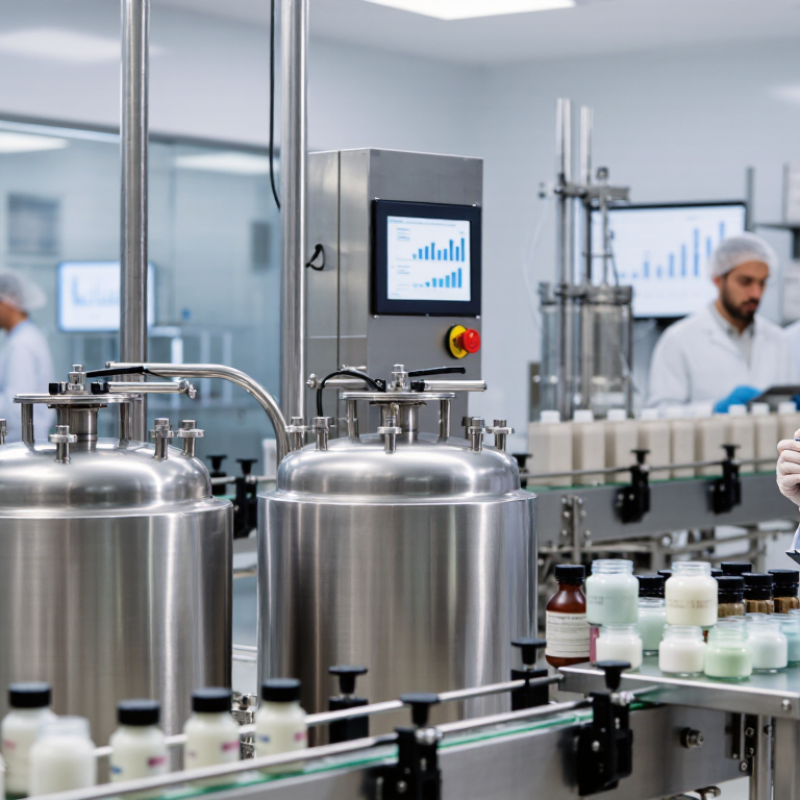
2026 Top OEM Skincare Manufacturing Companies?

What OEM Skincare Manufacturing Companies Do

OEM skincare manufacturing companies turn a product concept into a finished skincare item. They usually support formulation, ingredient selection, testing, production, packaging, and documentation.

Their technical teams may create creams, cleansers, serums, or masks based on texture, skin feel, and stability requirements. They test samples for appearance, odor, viscosity, and compatibility with packaging. Small pilot batches can reveal problems before full production begins. Sometimes, a formula separates after several weeks. That mistake is useful, but expensive if discovered too late.

Reliable manufacturers also manage ingredient sourcing and supplier records. They verify specifications, batch information, and storage conditions. Quality teams inspect raw materials before production starts. During filling, they monitor weight, temperature, hygiene, and equipment performance. Clear records help trace each batch if questions arise.

Regulatory support is another important service. Manufacturers prepare technical files, product information, safety documents, and label details for the intended market. Requirements differ across countries, so copied paperwork can create avoidable risks. Experienced teams communicate limitations instead of promising instant approval.

Packaging development requires practical judgment. A pump may protect a lightweight lotion better than an open jar. A beautiful container can still leak during shipping. Communication is not always perfect, especially when design changes arrive late. Regular sample reviews, written specifications, and documented approvals reduce confusion. In 2026, the best OEM partnerships depend on controlled processes, honest feedback, and consistent quality checks.

How to Evaluate OEM Skincare Manufacturers in 2026

How to Evaluate OEM Skincare Manufacturers in 2026

Choosing an OEM skincare manufacturer requires more than comparing prices. Grand View Research estimated the global skincare products market at about USD 155.7 billion in 2022. Its report also projected a 4.7% compound annual growth rate through 2030. This growth increases supplier competition, but not every factory offers equal control. Request recent GMP certificates, batch records, stability data, and product specifications. Verify whether testing is performed internally or by an independent laboratory. A polished factory tour can still mislead.

Evaluate technical depth through practical questions. Can the manufacturer explain preservative challenge testing, packaging compatibility, and accelerated stability results? Ask for evidence of traceability from raw material receipt to finished batch release. Review deviation reports, corrective actions, and complaint procedures. ISO 22716 provides useful cosmetic GMP guidance, but certification alone does not prove strong daily execution. The European Commission’s Safety Gate reports repeatedly show that cosmetic products can face safety concerns, including prohibited substances and contamination. Regulatory review must therefore begin before formula approval.

Tips: Compare three recent batches, not one sample. Check viscosity, scent, color, fill weight, and microbial results. Confirm minimum order quantities, lead times, reformulation rules, and ownership of testing data. Ask for a small pilot run. It may cost more. Still, it exposes weak controls early. I would also score communication speed, because delayed answers often become delayed production. Leave room for doubt; even a capable manufacturer can fail without clear specifications and regular audits.

This 2026 evaluation framework highlights the factors buyers should prioritize when comparing OEM skincare manufacturers. Quality systems, regulatory readiness, formulation capabilities, and production flexibility generally have the greatest impact on supplier reliability and product-launch risk. The percentages represent a practical purchasing-weight model, not the performance of any specific company or brand.

Key Services Offered by Leading OEM Skincare Companies

In 2026, leading OEM skincare manufacturers offer more than basic product filling. Their teams help turn a product concept into a tested, market-ready formula. Services often include ingredient selection, texture development, stability testing, and compatibility checks. Experienced formulators can adjust a cream’s absorption, scent, or finish for different skin preferences. Small details matter.

Reliable manufacturers also provide controlled production under documented quality systems. They may manage raw material inspection, batch records, microbial testing, and finished-product checks. Clear documentation supports traceability from ingredient delivery to final shipment. Regulatory specialists can review labels, ingredient restrictions, packaging claims, and market-specific requirements. This step reduces avoidable delays, although it cannot replace independent legal review.

Packaging development is another important service. OEM teams can recommend pumps, tubes, jars, and protective seals based on formula behavior. They may create samples, refine artwork files, and coordinate pilot production before scaling. Supply-chain support can include forecasting, inventory planning, and shipment scheduling. Ask about minimum order quantities and lead times early. They shape the real cost.

No manufacturer is perfect. A promising sample may still fail after temperature cycling or long storage. Buyers should request test evidence, facility information, quality procedures, and communication contacts. Factory visits or third-party audits can add confidence. Careful evaluation takes time, but rushed decisions often create expensive rework. That lesson is easy to underestimate.

2026 Top OEM Skincare Manufacturing Companies? - Key Services Offered by Leading OEM Skincare Companies
Service Area Typical Scope Common Product Formats Key Deliverables Quality, Compliance, or Technical Considerations
Product Concept Development Translating a target customer profile, price position, skin concern, and product brief into a manufacturable skincare concept. Daily care Sensitive skin Sun care Body care Product brief, texture direction, ingredient strategy, preliminary packaging recommendation, and development timeline. The final concept must match the intended cosmetic classification and the regulations of each target market.
Custom Formulation and R&D Development or adaptation of formulas for cleansing, moisturizing, protection, exfoliation, and appearance-related skincare needs. Creams Serums Lotions Cleansers Masks Laboratory samples, ingredient list, formula specifications, stability plan, and pilot-batch recommendations. Formulas should be assessed for compatibility, preservative performance, sensory properties, and intended product claims.
Private-Label Formula Selection Selection of an existing manufacturer formula with adjustments to fragrance, color, texture, packaging, or product positioning. Ready-to-customize Fast launch Core skincare Formula catalogue access, sample review, customization options, quotation, and launch-ready specifications. The buyer should confirm formula ownership, permitted claims, ingredient restrictions, and market-specific documentation.
Ingredient Sourcing and Qualification Sourcing of functional ingredients, emollients, humectants, surfactants, botanical materials, fragrances, and packaging components. Standard ingredients Botanical extracts Fragrance-free options Ingredient specifications, supplier documentation, allergen information, certificates, and traceability records. Ingredient selection should consider purity, supply continuity, allergen declarations, restricted substances, and regional requirements.
Sampling and Pilot Batches Preparation of laboratory samples and small production trials before commercial-scale manufacturing. Texture testing Color matching Fragrance evaluation Sample units, revision records, pilot-batch reports, approved master formula, and manufacturing parameters. Pilot production helps identify mixing, filling, viscosity, foaming, separation, or packaging-compatibility issues before scale-up.
Stability and Compatibility Testing Evaluation of formula performance over time and interaction between the product and its primary packaging. Creams Liquid products Anhydrous products SPF products Stability protocol, test observations, packaging compatibility results, and recommended storage conditions. Testing commonly monitors appearance, odor, pH, viscosity, microbial condition, container integrity, and phase separation.
Microbiological and Safety Testing Testing designed to verify microbial quality and support the safety assessment of cosmetic products. Preserved products Water-based formulas Leave-on products Microbial test results, preservative efficacy data where applicable, safety documentation, and corrective-action records. Testing requirements vary by formula type and destination market; qualified laboratories and documented methods are essential.
Claims and Regulatory Support Preparation of product information and support for cosmetic compliance in selected export or domestic markets. Ingredient review Label review Claims review Ingredient nomenclature, product specifications, safety files, label content, claims substantiation, and regulatory submission support where required. Claims must be truthful, supportable, and consistent with cosmetic regulations; therapeutic claims may change the product classification.
Packaging Design and Procurement Development or sourcing of bottles, jars, tubes, pumps, droppers, cartons, labels, and secondary packaging. Glass Plastic Aluminum Refill systems Packaging drawings, material specifications, decoration proofs, color standards, component samples, and packaging quotations. Packaging should protect the formula, support correct dispensing, meet labeling obligations, and be compatible with filling equipment.
Commercial Manufacturing and Filling Batch production, bulk processing, filling, capping, labeling, coding, and finished-product assembly. Small to large batches Automated filling Manual assembly Batch manufacturing records, in-process checks, filled units, lot coding, reconciliation records, and release documentation. Good manufacturing practice requires controlled processes, trained personnel, equipment maintenance, sanitation, and batch traceability.
Quality Control and Batch Release Inspection and testing of incoming materials, bulk product, packaging components, and finished goods. Identity checks Physical testing Visual inspection Certificates of analysis, inspection reports, nonconformance records, retained samples, and batch release approval. Typical controls include appearance, odor, pH, viscosity, fill weight or volume, packaging function, and microbiological quality where relevant.
Supply Chain and Fulfillment Finished-goods warehousing, inventory coordination, export preparation, and shipment support. Carton packing Palletizing Export documents Packing lists, commercial invoices, shipment coordination, inventory records, and delivery schedules. Storage conditions, transport protection, lot control, product shelf life, and destination-country import rules should be confirmed in advance.
Post-Launch Technical Support Assistance with product updates, packaging changes, customer feedback, complaints, and future production revisions. Formula revisions Packaging updates Quality investigations Change-control records, root-cause analysis, corrective actions, revised specifications, and technical responses. A documented change-control process helps maintain product consistency and regulatory compliance throughout the product lifecycle.

Top OEM Skincare Manufacturing Companies in 2026

Top OEM Skincare Manufacturing Companies in 2026

In 2026, leading OEM skincare manufacturing companies will compete through reliable development, not attractive presentations alone. Experienced teams should understand emulsions, preservatives, active ingredients, and sensitive-skin formulation limits. Their laboratories need documented testing, controlled environments, and trained technical staff. Look for clear evidence.

A dependable manufacturer can show pilot batches before full production. Stainless steel mixing tanks, calibrated filling lines, and clean storage areas matter. Ask for stability data, microbiological results, ingredient traceability, and complete batch records. Packaging compatibility testing is also essential, especially for pumps, jars, and airless containers. Small details prevent expensive failures.

Communication reveals operational maturity.

Strong suppliers explain minimum order quantities, lead times, formulation ownership, and quality procedures without hiding conditions. They should support compliant labeling and market-specific documentation. However, even capable companies may face delays or formula adjustments. A beautiful first sample is not proof of production consistency.

I would request retained samples and independent verification when the launch is important. Real manufacturing experience includes mistakes, corrective actions, and honest reporting. Reliable OEM partners keep those records visible.

Factors Shaping the Future of OEM Skincare Manufacturing

The 2026 Top OEM Skincare Manufacturing Companies will be judged by more than factory size. Formulation reliability, regulatory knowledge, and transparent production records will matter more. McKinsey’s The State of Fashion: Beauty 2023 forecasts the global beauty market could reach $580 billion by 2027. This growth increases demand for faster, safer OEM development.

Manufacturers must strengthen testing and traceability. Stability testing should examine heat, light, microbial control, and packaging interaction. A serum may look perfect after filling, yet separate during warehouse storage. That problem is expensive.

Grand View Research estimated the global skincare products market at $155.7 billion in 2022, with projected growth through 2030. Such expansion will reward facilities using validated processes, trained technical teams, and documented batch controls.

Sustainability is also changing supplier selection. Buyers increasingly request lower-impact packaging, concentrated formulas, and measurable waste reduction. However, “green” claims can become vague without lifecycle evidence. OEM partners should provide ingredient documentation, supplier audits, and clear compliance files for each market. Digital batch tracking can improve recall readiness and customer confidence. Personalization may create new opportunities, but smaller production runs can raise costs and complicate quality control. Forecasts can be wrong. Therefore, realistic minimum order quantities, pilot batches, and honest lead times remain essential when comparing future-ready manufacturers.

FAQS

What does an OEM skincare manufacturer usually provide?

It can support formulation, ingredient selection, testing, production, packaging, and technical documentation. A finished product needs more than a good idea.

What products can an OEM skincare manufacturer develop?

Technical teams may develop creams, cleansers, serums, and masks. They adjust texture, skin feel, viscosity, and stability requirements. The first sample may need revision.

Why are pilot batches important?

Pilot batches expose problems before full production begins. A formula might separate after several weeks. That discovery is useful, but costly.

What testing should buyers request?

Request stability data, microbiological results, packaging compatibility tests, and retained samples. Testing should consider heat, light, storage, and microbial control. A perfect filling-day sample proves little.

How are ingredients and batches controlled?

Quality teams inspect raw materials before production. They check specifications, batch information, and storage conditions. Production records should track weight, temperature, hygiene, and equipment performance.

What should packaging development include?

Packaging tests should examine leakage, dispensing, material compatibility, and shipping conditions. A pump may protect lightweight lotion better than an open jar. A beautiful container can still leak.

What regulatory support should a manufacturer offer?

A capable team may prepare safety documents, technical files, product information, and label details. Requirements vary between markets. Copied paperwork creates avoidable risks. Ask for clear limitations, not instant promises.

How can buyers judge a manufacturer’s reliability?

Ask about minimum order quantities, lead times, quality procedures, formulation ownership, and batch records. Visit or inspect production areas when possible. Stainless steel tanks and calibrated filling equipment matter. I would still request independent verification.

How might sustainability and personalization affect future production?

Buyers may request lower-impact packaging, concentrated formulas, and measurable waste reduction. Personalized products can require smaller batches and tighter quality control. “Green” claims need evidence. Forecasts can be wrong.

Conclusion

OEM skincare manufacturing enables brands to develop and produce skincare products through specialized partners that manage formulation, testing, packaging, and large-scale production. This article explains how OEM manufacturers support product development, from selecting ingredients and textures to creating customized solutions that match market needs. It also outlines how to evaluate potential partners in 2026 by reviewing product quality, research capabilities, certifications, manufacturing capacity, communication, sustainability practices, and supply-chain reliability.

The discussion highlights key services offered by leading OEM skincare companies, including private-label production, custom formulation, packaging design support, stability testing, regulatory documentation, and quality control. It also presents the main factors shaping the industry’s future, such as clean beauty expectations, personalized skincare, technological innovation, environmentally responsible packaging, transparent sourcing, and faster development cycles. Together, these insights help businesses choose reliable manufacturing partners and build safe, competitive, and market-ready skincare products.

Elowen

Elowen

Elowen is a highly skilled marketing professional dedicated to helping businesses understand the value, performance, and practical applications of our products. With a strong background in market research, content strategy, customer insights, and product communication, Elowen transforms complex......